Protecting Yourself in Singapore: Understanding Personal Protection Order
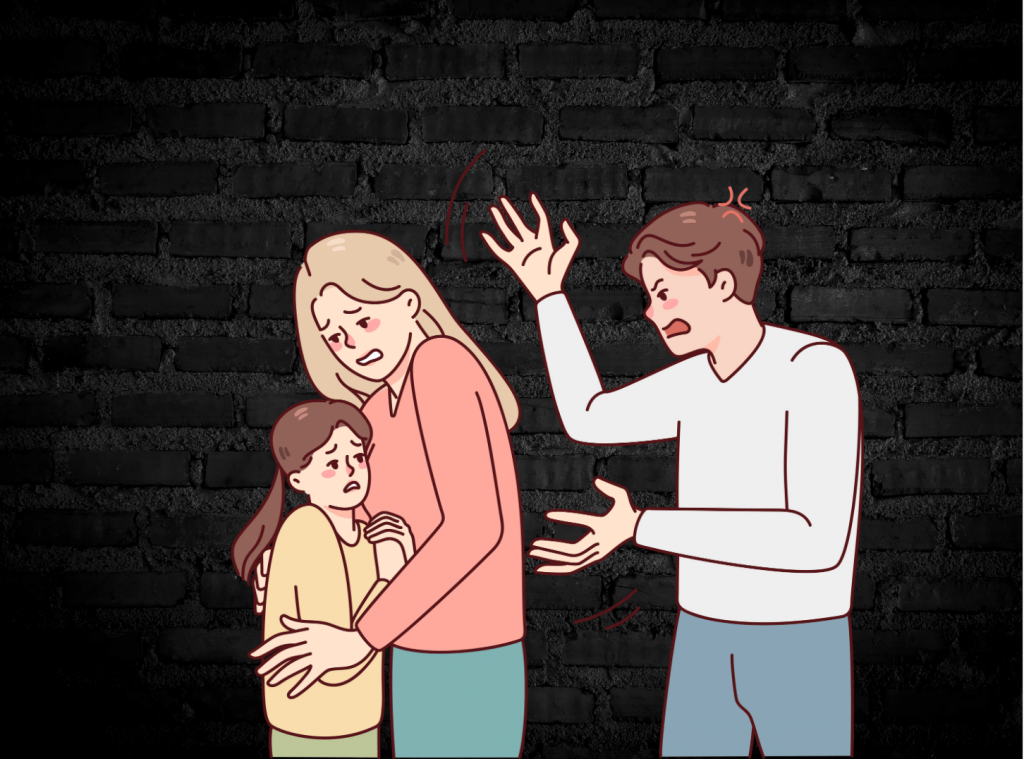
If you ever find yourself in a scary and abusive situation, you might want to explore options to protect yourself. However, when the going gets tough and no immediate solutions work, you need to consider more official and legitimate avenues. The personal protection order serves as one such plausible solution. A court issues this civil order to make one person stop harming or harassing another. These orders not only provide substantial protection from abuse, stalking, and harassment, but they also significantly ease one’s mind, removing the burden of living in constant fear. Consequently, in this article, we will explore the topic of personal protection orders and guide you on how to apply for one.
What is a Personal Protection Order?
The family court in Singapore issues the Personal Protection Order (PPO) to protect a spouse and/or their children suffering from family violence. You can find this order under Part VII of the Women’s Charter, supplemented by the Expedited Order and the Domestic Exclusion Order.
For a successful PPO application, you must prove two elements:
- A family member has committed or is likely to commit an act of family violence; and
- A PPO is necessary for the protection of that family member.
So, how does one define “family violence?”Section 64 of the Women’s Charter describes family violence as any of the following acts:
- Wilfully or knowingly putting a family member in fear of hurt, or attempting to do so;
- Committing an act that is known or ought to have been known to cause hurt to a family member;
- Wrongfully confining or restraining a family member against their will; or
- Continually harassing with intent to cause or knowing that it likely causes anguish to a family member.
The court recognizes not only physical abuse but also psychological abuse, such as intimidation, threatening behaviour, harassment, mocking, controlling, confining, or restricting a person from free movement as family violence.
The Different Types of PPOs in Singapore
There is a wide variety of types of protection orders the court can grant you. Under section 65(5) of the Women’s Charter, these protection orders include:
-
- A personal protection order (PPO) – Restrains the abuser from committing family violence. Also helps restrain the abuser from inciting or assisting anyone to commit family violence against the family member.
- An expedited order (EO) – An urgent and temporary PPO made without going through a trial. If it is satisfied that there is imminent danger of family violence, the court has power to grant an EO immediately upon application of a PPO, by virtue of section 66 of the Women’s Charter.
- A domestic exclusion order (DEO) – Domestic Exclusion Orders (DEOs) ban the abuser from the house in which the family has been living, as stated under section 65(5)(a) of the Women’s Charter. This can either be the whole house or only certain parts of the house.
- A counselling order (CGO) –This order refers parties in a PPO application to counselling and is made concurrently with a PPO. A family support agency conducts the counselling, and children may need to attend as well.
Who Can Obtain a PPO in Singapore?
Any citizen, resident, and even those domiciled in Singapore can file for a personal protection order, including members of Muslim families. Interestingly, you can file a PPO application to protect not only yourself but also your children, provided they are below the age of 21. Similarly, you can file for an incapacitated family member, as long as you are 21 years of age or older. On the other hand, if you are below 21 but have married or have previously been married, you can also file an application.
Count on Yeolaw to Guide You Through Your Divorce
Having experienced such a traumatic event, many survivors understandably opt to file for a personal protection order against their abuser. While some may dismiss this as merely a piece of paper, it is, in reality, much more than that. Indeed, a personal protection order is a legal document that can serve as a crucial barrier to keep an abuser at bay, thereby helping a survivor and their children live safe and healthy lives. To begin your journey towards a safer environment, book now for a free consultation with Yeolaw. You may also call us at +65 6220 3400 or visit our website today.

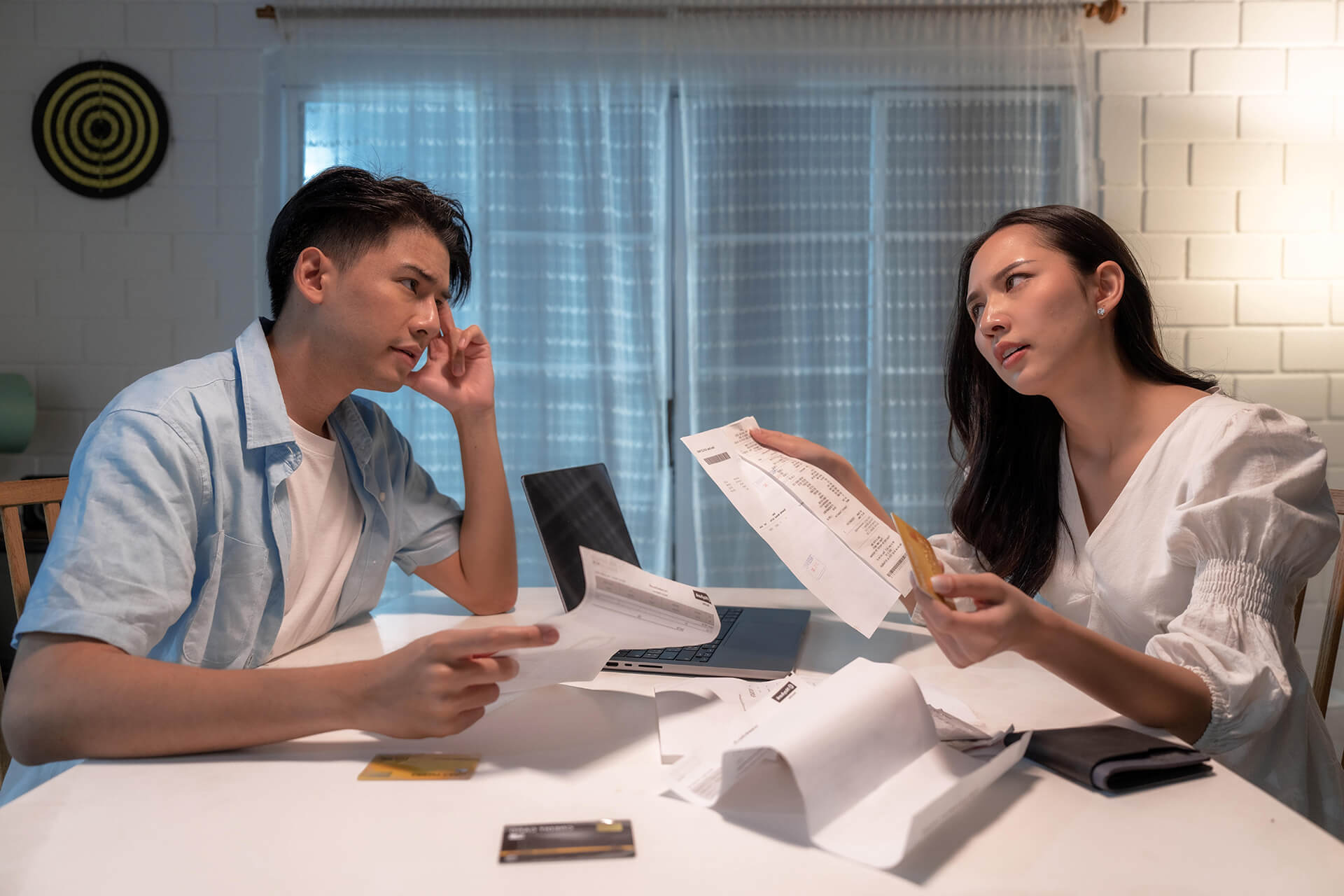
When aspouse painstakingly obtains a court order for the other spouse to pay wife’s maintenance or for child’s support, only to be met with the payor’s refusal to pay or unilateral deductions of the monthly payment, it seems like the current regime caused the victim more pain to seek repayment.
The payor’s are often not deterred by the current law.
The usual tactic these non-payors engages would be:
- defend endlessly with their excuses not to pay;
- intentionally reduce their work (some even quit their jobs on their own accord), to argue that they have lesser means to pay the ordered sums;
- intentionally jack up their own monthly expenses or spending more for their new families and new children;
- self-declaration bankruptcy;
- file summons to vary the ordered sums downwards (payor could afford legal fees but could not pay the monthly maintenance to their own child(ren);
- the list goes on.
Ironically, the victims see that these non-payors have the means to own a new car and enjoy holidays in exotic destinations- one would wonder how such non-payors would crying poor.
The new process in Maintenance Enforcements aims to simplify applications relating to the non-compliance with maintenance orders and to enhance deterrence against non-compliance for those who can pay maintenance but refuse to pay.
Key changes include:
- NEW Maintenance Enforcement Process; and
- Appointment of Maintenance Enforcement Officers.
REFORMS:
- Lesser court attendances;
- Lesser waiting time;
- Court can deal with non-payor more decisively- Maintenance Officers will be empowered to obtain non-payor’s assets and means directly from government agencies like IRAS, SLA, LTA or CPF Board etc and financial institutions like banks (currently a court order is required to obtain these information and it means more expenses for the victims) and submit the report to the Court;
- Court will channel those who truly cannot pay maintenance to appropriate assistance like job referral programmes;
- Conciliation process rather than mediating with non-payors;
- Non-payors shall be sentenced to imprisonment if Show-Payment Order is breached;
- Injunction order or clawback order when victims or the court officer suspect that the non-payor is intending to dissipate, or has dissipated, assets to frustrate the enforcement of a maintenance order.
If you are the alleged non-payor of a maintenance order where you are GENUINELY having difficulties paying maintenance, or that your financial circumstances have GENUINELY changed subsequent to the divorce order, you may wish to speak to an experience family lawyer from Yeolaw Family Law Specialist at 6220-3400 to work out a more sustainable maintenance order.