The Battle for Fathers: Understanding Child Custody Rights in Singapore – Yeo Law

When it comes to divorce, the couple isn’t the only one affected. In fact, the separation of parents is just as emotionally taxing, or even worse, for their children. Additionally, when divorcing, couples often struggle to agree on terms, especially regarding child custody in singapore. This can lead to taking matters to court, which adds another layer of complexity to an already difficult situation. When push comes to shove and the court has the final say on child custody in singapore, how do they decide which parent is best for the children involved, especially if the father is seen as the better fit?
Legal Framework for Child Custody
Understanding the Basics
Child custody is a very complex issue that has a lot of nitty-gritty details. To be able to successfully navigate through this, it is crucial that you understand the basics. This is especially true for fathers, as the current child custody laws in Singapore are not in their favour by default.
1. Who Is Considered A “Child”?
The Women’s Charter defines a “child of the marriage” as a biological or adopted child under 21 years old living with the husband and wife.
2. What Is Child Custody, And How Is It Different From Care And Control And Access?
Child custody is a legal process where a parent decides on major decisions concerning their child’s upbringing and welfare. These decisions can impact religious, educational, and medical aspects of the child’s life. Care and control, on the other hand, refers to a parent’s authority and responsibility over the child’s day-to-day matters. In this case, the court orders care and control to only one parent, while the other parent has access to the child.
Access to the child means the parent has the right to spend time or visit them, but they cannot make decisions for the child. Their interactions are limited to online or physical contact. Access is granted to ensure a healthy parent-child relationship, and the court must make decisions based on the child’s best interests.
In some cases, a parent may be granted daytime access to the child for specific days in a week and overnight access during weekends. However, the child may grow resentful in the absence of either a father or mother figure.
3. Types Of Child Custody Orders In Singapore
In Singapore, child custody issues are resolved using the “welfare principle,” which prioritizes the child’s welfare. The court can grant four types of child custody orders to both parties involved.
Joint Custody
Joint custody orders allow both parents to jointly manage a child’s upbringing, making major decisions together. In Singapore, Family Justice Courts often grant joint child custody, recognizing the importance of parental involvement in a child’s life, education, and development. Even after a divorce, children can still co-parent with their mother and father, ensuring equal contributions to the child’s upbringing.
Sole Custody
Courts grant sole custody of children to parents who have a rocky and unstable relationship, causing a hostile environment for their welfare. This can be due to a spouse’s known track record of acting against the child’s welfare or if the spouse is physically abusive, irresponsible, or harmful to the child. If the spouses have exhausted all other avenues of resolving their differences, or their marriage has irretrievably broken down, sole custody may be more appropriate. In some cases, one spouse may voluntarily give up custody to get better terms in divorce proceedings and other ancillary matters. This allows the child’s upbringing to be a priority for the child’s development.
Hybrid Custody
Hybrid custody allows one parent to have custody of children, but they must consult with the other on important welfare matters, such as helping their child choose a university, even if they are separated.
Split Custody
Split custody orders are granted during divorces when one parent has custody of one child and the other has custody of the other. Courts rarely grant these orders due to their complexity and potential emotional support. If a split child custody order is requested, an affidavit or sworn statement must be provided explaining the reason. The child cannot be taken outside Singapore for more than 30 days unless express permission and consent are granted by the custodial parent or the court. This arrangement ensures the children’s interests are prioritized.
4. How Does The Court Determine Custody?
The Court’s “welfare principle” emphasizes children’s welfare as the primary factor in determining child custody. It considers not only monetary or physical aspects but also moral, religious, and familial upbringing. The Social Welfare Report, prepared by the Ministry of Culture, Community, and Youth, assesses the child’s relationship with either parent, ensuring the results are only shown to the judge to avoid skewing the findings.
5. How Does The Court Determine Care And Control?
In Singapore Courts, welfare is crucial in determining care and control for a child. The court often awards one parent with care and control while the other has access. Shared care is rare as it disrupts the child’s daily routine. The court prefers the mother if the child is young, considering the maternal bond. The court also prefers to preserve the status quo and prevents siblings from being separated. Other factors that may justify one parent being preferred include bad habits, illness, time spent bonding with the child, parent’s availability, career focus, and interest in the child’s welfare and well-being. Siblings should not be separated.
6. How Does The Court Determine Access?
Courts grant access to parents without legal care and control of a child, typically to the father. The court aims to provide regular contact and opportunities for the parent without care and control, ensuring the child doesn’t lose contact with either parent. However, the court may restrict access if it’s not in the child’s best interests. The terms of access should be fair to all parties, considering the parent’s lack of contact. Parents should discuss and agree on an arrangement for access, such as weekday, weekend, overnight, overseas, or public/school holiday access, based on fairness, reasonableness, and logistical feasibility. If parents cannot agree, the court will decide after considering their respective reasons.
Debunking Myths About Fathers’ Custody Rights
Fathers should remember that child custody battles do not always favour the mother. At the end of the day, the court’s primary focus is on their child’s welfare, not just monetary considerations. This includes moral, religious, physical, and emotional well-being. Parents are expected to prioritize their children’s needs above their own, ensuring their child’s happiness, comfort, and security. With that, the Women’s Charter does not favour the mother.
Beyond the Myth of Sole Custody for Mothers
Child custody is a complex issue, with the belief that mothers always have sole custody. However, in some cases, joint custody is awarded to both parents, who have an equal say in all important decisions. The court considers the presence of both parents in the child’s life as essential during their growing years. If joint custody is not suitable, the court will decide which other custody order is more suitable. The welfare principle is applied when granting child custody, considering factors like stability, security, and lifestyle benefits. Fathers should not feel biased when discussing custody matters in court, as their role as a parent will equally play a part in the court’s decision. While mothers are typically considered the primary caregivers, the child’s welfare remains paramount. The court might not grant custody to the mother if she can’t handle daily responsibilities, especially if she abuses or neglects the child.
Demonstrating Commitment and Involvement
Fathers are less likely to obtain sole care and control of their child if the child is young and cannot express their preference for a specific parent. However, if the child has not yet started a formal schooling routine and can easily switch between parents, shared care and control may be an alternative. To demonstrate an active role in the child’s upbringing, fathers should make lifestyle changes, such as reducing working hours or working from home. The court will also consider factors like smoking or gambling habits, bonding time, and participation in the child’s health and studies. Additionally, residence and distance from the child are also considered.
Challenges in Custody Disputes for Fathers
In a contested divorce, the court considers several factors to protect the child’s best interests. These include the child’s welfare, the parent-child relationship, parental ability and willingness, financial capability, and moral fitness. If the child is of sufficient age and maturity, the court may consider their wishes and preferences.
To resolve custody and access disputes amicably, parents are often asked to attend divorce mediation. This is because divorce can negatively impact the child’s well-being and delay proceedings. To navigate disputes related to child custody and access, prioritize the child’s needs and best interests, maintain respectful communication, seek professional help through mediation, a mediation lawyer, or counselling, develop a feasible co-parenting plan, and engage a divorce lawyer to provide guidance on legal processes and ensure the protection of the child’s rights. This approach ensures that the child’s well-being is prioritized and that the court’s decisions are based on the child’s best interests.
Legal Strategies for Fathers
Child custody lawyers are professionals who can advise on custody situations and represent clients in court for child custody proceedings. They can assist in various matters, including acquiring or maintaining custody of a child. In Singapore, family lawyers handle divorce matters as part of their job scope, including child custody.
When facing a contentious child custody dispute in court, representing yourself may pose difficulties. Especially, if you are not familiar with court proceedings, child custody laws, or evidence laws. It is recommended to engage a child custody lawyer to guide you through your case.
Child custody lawyers explain different custody options and advise you during mediation. They represent you in court, apply for custody variations, and defend against requests. They also prevent interference with your rights, advise on court procedures, and handle child support.
Child custody battles can be stressful and emotionally draining, A lawyer can guide you through the process and minimize complications.
Yeolaw’s Expertise in Child Custody: A Father’s Best Strategy in Divorce
Divorce can be challenging, especially for fathers who may have concerns about child custody. The law doesn’t favour mothers over fathers in custody battles, but the child’s best interest is paramount. Yeo Law’s family lawyers guide fathers through their child custody rights and options in shared, joint, or sole custody arrangements. They work closely with male clients to assess their situations, guide them on strengthening their custody case, and strategize the best path forward. They advocate for fathers’ rights and roles, even when amicable solutions seem improbable.

Knowing the Grounds for Annulment
When seeking an annulment of marriage in Singapore, it’s vital to clearly understand the grounds on which an annulment can be granted. The most common grounds for annulment include non-consummation of the marriage, one party being underage at the time of marriage, or one party being forced into the marriage. Understanding these grounds is essential to ensure that your case meets the necessary criteria for annulment.
Additionally, it is crucial to know the legal requirements for proving these grounds. Providing sufficient evidence to support your case is paramount, as the court will require proof of the grounds on which you seek an annulment.
It’s important to note that the grounds for annulment of marriage in Singapore are legally defined, and failing to meet these criteria can result in a prolonged and challenging legal process.
The Importance of Evidence in Annulment
In annulment proceedings, the party seeking the annulment has the burden of proof. This highlights the critical role of evidence in the process. Whether it’s medical records to support claims of non-consummation, documentation to prove coercion or duress, or any other relevant evidence, compiling a strong case is essential.
Engaging the services of a professional investigator or legal expert to gather compelling evidence can significantly strengthen your case. To avoid any legal setbacks, it’s imperative to approach evidence collection with meticulous attention to detail and thoroughness.
Furthermore, understanding the admissibility of evidence in annulment proceedings is crucial. Ensuring that the evidence meets legal standards and is presented in a manner acceptable to the court is vital for a successful outcome.
Financial Considerations in Annulment
One of the common legal mistakes individuals make during annulment proceedings is overlooking the financial implications. Disentangling shared assets, liabilities, and financial arrangements can be complex, especially if there are disagreements between the parties involved.
For this reason, it’s crucial to consult with a specialised family law lawyer for guidance on the financial elements of an annulment. Their expertise in dividing assets, spousal maintenance, and other financial considerations will help avoid legal disputes or financial hardships post-annulment.
Moreover, ensuring complete transparency regarding financial matters and adhering to legal requirements for financial disclosure is imperative. Failing to disclose relevant financial information can lead to legal repercussions and hinder the annulment process.
Understanding the Impact on Children

For couples with children, understanding the legal implications of annulment for child custody, visitation rights, and child support is paramount. Failing to address these matters appropriately can lead to prolonged legal battles and emotional distress for all parties involved. Therefore, fostering open communication and cooperation with the other party regarding child-related matters can mitigate potential legal conflicts and contribute to a smoother annulment process.
Furthermore, seeking the guidance of a family law attorney specialising in child custody matters is crucial to navigating the complexities of addressing the impact on children during annulment. Prioritising the well-being and best interests of the children is essential, and legal counsel can provide valuable insights to ensure that the children’s needs are addressed in a comprehensive and legally sound manner.
In Singapore, section 68 of the women’s charter mandates parents to support their children, regardless of their financial custody. This includes accommodation, clothing, food, and education until the child turns 21. Children over 21 can apply for maintenance court support if they have a physical or mental disability, are serving full-time national service, are still attending school, or have special circumstances deemed necessary by the court. This obligation remains regardless of the child’s custody. The child’s rights extend to their spouse or third party.
The Value of Legal Advice
One of individuals’ most common legal mistakes during annulment of marriage singapore proceedings is underestimating the value of professional legal advice. Securing the assistance of a seasoned family law attorney with expertise in annulment cases is crucial for receiving adept support and direction during the entire procedure.
A knowledgeable attorney can offer expert advice on legal strategies, evidence gathering, negotiation tactics, and courtroom representation. Their specialised knowledge significantly improves your comprehension of your legal rights and responsibilities, equipping you to make well-informed choices in your best interest.
Additionally, legal advice can assist in understanding and managing the intricacies of annulment laws and processes, guaranteeing that all legal obligations are fulfilled, and any potential challenges are foreseen and tackled effectively.
Risks of Self-Representation
In Singapore, a litigant-in-person (LIP) handles court proceedings and applications without a lawyer. They are held to the same standard as lawyers, must prepare for and conduct their own case in all court hearings, and comply with all rules, court directions, and legal procedures. They should only consider representing themselves if they are confident in handling the legal procedure, putting in the time and effort to prepare their case, and presenting it to the judge and prosecution or opposing counsel.
If both partners agree on all terms of the annulment, one partner can hire an annulment lawyer while the other represents themselves. This works particularly well for couples with few assets and no children. The lawyer representing one partner can draw the necessary paperwork while the other can sign it. On the other hand, the spouse engaging an annulment attorney gains not only from the attorney’s expertise and experience but also secures the privilege of legal representation.
Should you choose to represent yourself, it’s important to note that if you and your spouse disagree, your spouse’s attorney might be reluctant to negotiate directly with you. In disputes during annulment proceedings, obtaining your annulment lawyer becomes necessary. If your attorneys fail to reach an agreement, the judge might mandate mediation, or you might have to endure an annulment trial’s lengthy and expensive procedure.
When seeking an annulment in Singapore, explore all possible options before deciding. If you cannot afford two annulment lawyers, find affordable legal assistance. If you must hire an annulment lawyer, choose a good one to help navigate the complicated process.
Privacy Concerns in Annulment Proceedings
Many individuals consider maintaining privacy and confidentiality during annulment proceedings to be a significant consideration. Failing to address privacy concerns appropriately can lead to unwanted public exposure and emotional distress.
Taking proactive measures to safeguard your privacy, such as exploring alternative dispute resolution methods like mediation or arbitration, can help mitigate the risk of sensitive information becoming public knowledge. Additionally, seeking legal counsel to implement privacy safeguards within the legal proceedings can provide added reassurance.
Understanding the legal avenues available to protect your privacy and working closely with legal experts to address your privacy concerns can contribute to a more discreet and respectful annulment process.
Marital Status and Remarriage Post-Annulment

An often overlooked aspect of annulment is understanding the legal implications of your marital status post-annulment. It’s crucial to know how an annulment in Singapore will affect your marital status and the legal requirements for remarriage.
To avoid potential legal complications, it is essential to seek clarity on the legal procedures for updating one’s marital status and any requirements for remarriage. Understanding the timelines and necessary steps for formalising one’s changed marital status can facilitate a smoother transition post-annulment.
Additionally, you must consider any legal obligations or restrictions on remarriage after an annulment to ensure compliance with Singaporean family law.
Emotion vs. Legal Counsel
Emotions can run high during annulment proceedings, and balancing emotional well-being with legal counsel is crucial. Allowing emotions to dictate decisions without considering the legal implications can lead to regrets and legal difficulties.
Seeking support from a mental health professional or counsellor to navigate the emotional challenges of annulment can be beneficial. Emphasising self-care and emotional resilience can contribute to a more positive mindset during the legal process.
Simultaneously, relying on a family law attorney’s expertise to provide sound legal counsel can help you approach the annulment with clarity and pragmatism. Combining emotional support with professional legal guidance can help you more effectively navigate the complexities of annulment.
Life After Annulment: What Next?
As you approach the conclusion of the annulment process, you must consider your next steps and plan for life after the annulment. Addressing practical matters such as housing arrangements, financial stability, and emotional well-being is crucial to facilitating a smoother transition.
Engaging in post-annulment counselling or support groups can provide valuable emotional support and guidance as you navigate the changes in your life. Additionally, seeking financial advice to ensure stable financial footing post-annulment can contribute to your long-term well-being.
Furthermore,, to avoid potential legal disputes, it is essential to understand your legal rights and obligations post-annulment, such as any ongoing financial responsibilities or custody arrangements,
Conclusion and Final Thoughts
Navigating the annulment of marriage in Singapore process requires a comprehensive understanding of the legal considerations and potential pitfalls. You can safeguard your interests and streamline the annulment process by avoiding common legal mistakes such as overlooking financial implications, neglecting privacy concerns, or underestimating the value of legal advice.
Gathering thorough evidence, understanding the impact on children, and seeking professional legal counsel is integral to achieving a successful outcome in annulment proceedings. Embracing a balanced approach that addresses emotional well-being alongside legal counsel can contribute to a more positive experience during the annulment process.
As you embark on life after annulment, prioritising self-care, seeking professional support, and understanding your legal rights post-annulment can pave the way for a fulfilling future. By proactively addressing legal considerations and emotional well-being, you can navigate the complexities of annulment with resilience and clarity.
In conclusion, by educating yourself, seeking professional guidance, and approaching the process carefully, you can confidently navigate your annulment in Singapore and protect your legal rights.
In a world where divorce rates in Singapore are on the rise, finding the secrets to a long-lasting and fulfilling marriage has become more important than ever. From effective communication strategies to cultivating trust and intimacy, it is vital to explore techniques that will set you on a path towards a lifetime of love and happiness. Whether you’re newlyweds hoping to build a strong foundation or a couple looking to strengthen your bond after years together, this article is packed with essential tips to help you divorce-proof your marriage.
Importance of Building a Strong Foundation for Marriage
A strong foundation is essential for any successful marriage. When you lay the groundwork for a healthy partnership from the start, you create a solid base upon which to build a lifetime of love and happiness. It’s important to understand that marriage is not just a union between two individuals, but a commitment to grow and evolve together. By investing in your relationship early on, you set the stage for a resilient and divorce-proof marriage.
Communication
One key aspect of building a strong foundation is effective communication. Understanding, empathy, and emotional connection are fostered by open and honest communication. It’s crucial to create a safe space where both partners can express their thoughts, feelings, and needs without fear of judgment or rejection. Developing strong communication skills early in your marriage will help you navigate challenges and conflicts with grace, ensuring that small issues don’t escalate into larger problems down the road. By laying the groundwork for open and honest communication, you set the stage for a marriage built on trust and mutual respect.
Additionally, prioritize open and non-judgmental communication. Encourage your partner to express their thoughts and feelings without fear of judgment or reprisal. Actively listen and validate their emotions. By fostering a safe space for open dialogue, you strengthen the trust in your marriage and create a deeper emotional connection.
Building Trust and Honesty in Your Relationship
Trust is the cornerstone of any successful marriage. Without trust, a relationship is destined to crumble under the weight of doubt and insecurity. Although it takes time and effort to build trust, the benefits are immeasurable. Start by being transparent and honest with your partner. Share your thoughts, fears, and vulnerabilities, and encourage them to do the same. By fostering an environment of trust and honesty, you create a solid foundation for your marriage to thrive upon.
It’s also important to be reliable and consistent in your actions. Hold yourself to your commitments and keep your word. Be there for your partner through good and bad times. When you consistently demonstrate your trustworthiness, your partner will feel secure and valued in the relationship. Keep in mind that trust is earned, not just through words but actions as well.
Committing to a Lifetime of Love and Happiness
Divorce rates may be on the rise, but that doesn’t mean your marriage will inevitably fail. By building a strong foundation, you can divorce-proof your marriage and create a lifetime of love and happiness. Remember, a successful marriage requires constant effort and commitment from both partners, but the rewards are immeasurable. Take control of your relationship today with Yeolaw and embark on a journey towards a stronger, more fulfilling partnership. Consultations are free and can be booked via +65 6220 3400 or through our website.
Navigate Singapore’s divorce rate wisely! In the midst of rising divorce rates, Yeo Law provides valuable advice and 6 must-know tips for finding budget-friendly divorce lawyers. Read more and safeguard your interests amidst the divorce rate in Singapore!

The annulment of marriage is a legal way to declare a marriage null and void, as if it never existed. But how does one navigate through this complex process? In this article, we will take you on a journey through the intricacies of the annulment of marriage in Singapore. We will shed you some light on all the details involved. Whether you are considering an annulment yourself or simply seeking to expand your knowledge. This article guide will provide you with the necessary insights you ought to know about annulment.
What is Annulment?
The legal process of annulment declares a marriage null and void, as if it never existed. Unlike divorce, which is the dissolution of a valid marriage, annulment establishes that the marriage was invalid from the beginning. Essentially, annulment erases the legal existence of the marriage, treating it as though it never took place. This can have significant implications for individuals. Especially those seeking to move on from a marriage that was invalid or based on fraudulent grounds.
Annulment is available for marriages that meet specific criteria. One that is being void or voidable under the law. The criteria for annulment can vary between jurisdictions, and Singapore imposes specific legal requirements to annul a marriage. Understanding these grounds and requirements is crucial for anyone considering the annulment process.
Grounds for Annulment of Marriage
The law defines specific grounds on which a variety of reasons can annul marriages. In Singapore, there are several grounds for annulment, including:
- Prohibited by law – The law deems marriages between close relatives or individuals who are already married as invalid from the beginning, and upon discovering their void status, they can annul such marriages.
- Voidable marriages – Marriages can annul based on grounds such as non-consummation, lack of consent, or fraud.
- Lack of Capacity – Situations where one party is underage or mentally incapacitated during the marriage can be grounds for annulment.
- Fraud or Misrepresentation – Marriages can undergo annulment when they involve fraudulent circumstances or when one party bases the marriage on misrepresentation. This encompasses situations where one party conceals crucial information or deceives the other party into the marriage.
.
The Annulment Process in Singapore
The annulment process in Singapore can be complex and challenging. It is crucial to understand the steps involved and seek professional guidance when necessary. Here is a detailed breakdown of the annulment process in Singapore:
- Consultation with a Family Lawyer – The first step is to consult with a family lawyer who specializes in annulment cases. They will assess your situation, provide legal advice, and guide you through the annulment process.
- Preparation of Documents – Once you have engaged a lawyer, you will need to prepare: the Writ for Nullity, Statement of Particulars, and Affidavit in Support and file these with the Family Justice Courts in Singapore.
- Service of Documents – After filing, the party must serve the documents to the other party involved in the marriage either through a process server or by registered mail.
- Case Management Conference – Once served, the parties involved will schedule a Case Management Conference. This conference aims to manage and streamline the annulment process by setting timelines and addressing any preliminary matters.
- Mediation and Negotiation – In some cases, both parties may need to engage in mediation or negotiation to address any issues or disputes. This collaborative approach aims to facilitate a mutually agreeable settlement, thereby avoiding the need for a trial.
- Trial and Judgment – If mediation or negotiation fails to resolve the annulment, a trial may become necessary. In the trial, both parties will present their case, and the court will render a judgment based on the evidence and legal arguments put forward.
- Annulment Order – Upon the court’s determination that the marriage is null and void, it will issue an annulment order. This legal order officially declares the marriage invalid, enabling both parties to proceed as if the marriage never occurred.
The Outcome of Annulment
The outcome of an annulment in Singapore is the legal declaration that the marriage is null and void. The law, therefore, treats the marriage as if it never existed. The law no longer binds the involved parties to each other. Allowing them to be free to remarry or pursue other relationships.
It is important to note that an annulment does not have any effect on issues related to children. This includes custody or support. The family court system in Singapore typically addresses these matters separately.
Empowering Individuals through Knowledge of the Annulment Process
The process of annulment of marriage in Singapore is a complex legal procedure that allows for the declaration of marriage as null and void. Furthermore, individuals considering this path must understand the grounds for the annulment of marriage, meet the legal requirements, and navigate the crucial steps involved. Book a free consultation with us today at +65 6220 3400 or visit our website. Let’s navigate this challenging journey of marriage annulment together.
Starting to navigate through a separation can undoubtedly challenge you emotionally and present complex legal issues. Especially in Singapore, where we deeply cherish family values, you must understand both the legal and emotional aspects involved to balance the separation process delicately. This journey might involve dissolving a marriage or terminating a common-law relationship. As a result, you need to keep yourself well-informed about the legal procedures and be aware of the emotional impact that you and your loved ones may encounter. In this article, we delve into the intricacies of separation in Singapore. Whether you contemplate a separation, currently progress through one, or simply seek information, this guide will assuredly equip you with the necessary knowledge to handle this challenging chapter of your life.
Legal Overview of Separation in Singapore
Singapore has a well-established legal framework that governs the process of separation. It is important for individuals to familiarize themselves with the key aspects of this framework. This is to ensure a smooth and fair process.
Eligibility Requirements of Legal Separation in Singapore
To be eligible for legal separation in Singapore, individuals must meet certain criteria. The most fundamental requirement is that the marriage or common-law relationship has irretrievably broken down. This breakdown can be evidenced by factors such as adultery, unreasonable behaviour, desertion, separation for a continuous period of three years, or separation for a continuous period of four years with the consent of both parties.
Steps in Separation Process
The process of separation in Singapore involves several steps that must be followed to ensure a legally valid and binding separation agreement. These steps include filing a writ for judicial separation, serving the writ to the other party, attending mediation sessions, and ultimately obtaining a judgment of judicial separation from the court. It is essential for individuals to seek legal advice and representation to navigate these steps effectively.
Coping with the Challenges
Separation can present individuals with various challenges, both emotionally and practically. It is important to acknowledge and address these challenges to ensure a smoother transition. Seeking emotional support from friends, family, or professional counsellors can provide individuals with a safe space to express their feelings and navigate the emotional rollercoaster that often accompanies separation.
Seeking Professional Help and Support during Separation
Separation can be an overwhelming and isolating experience. It is important for individuals to seek professional help and support to navigate this challenging chapter of their lives.
Legal Support
Engaging the services of a skilled family lawyer is crucial during separation. A qualified family lawyer can provide individuals with expert advice. They could also guide them through the legal procedures, and advocate for their rights and interests. Having a competent legal professional by one’s side can alleviate stress and ensure a fair resolution.
Emotional Support
Separation can take a toll on an individual’s emotional well-being. Seeking support from friends, family, or professional counselors can provide individuals with a safe space to express their thoughts and emotions. Additionally, there are support groups and counseling services available that specialize in assisting individuals going through separation. These resources can provide valuable insights and coping strategies.
Navigating Separation in Singapore
Separation in Singapore can be a challenging and complex process involving both legal and emotional aspects. By understanding the legal framework, eligibility requirements, and steps involved, individuals can navigate the separation process with greater confidence and clarity. It is equally important to acknowledge and address the emotional impact of separation, seeking the necessary support and coping mechanisms. By empowering ourselves with knowledge and seeking professional help, we can navigate this transformative time with resilience. We can also make informed decisions that will shape our future. Let us embark on this journey together, supporting one another through the highs and lows, and emerge stronger on the other side.
That is why here at Yeolaw, we are prepared to hold your hand throughout the process of separation in Singapore. Book a free consultation with us today via +65 6220 3400 or visit our website to get through this trying time together.
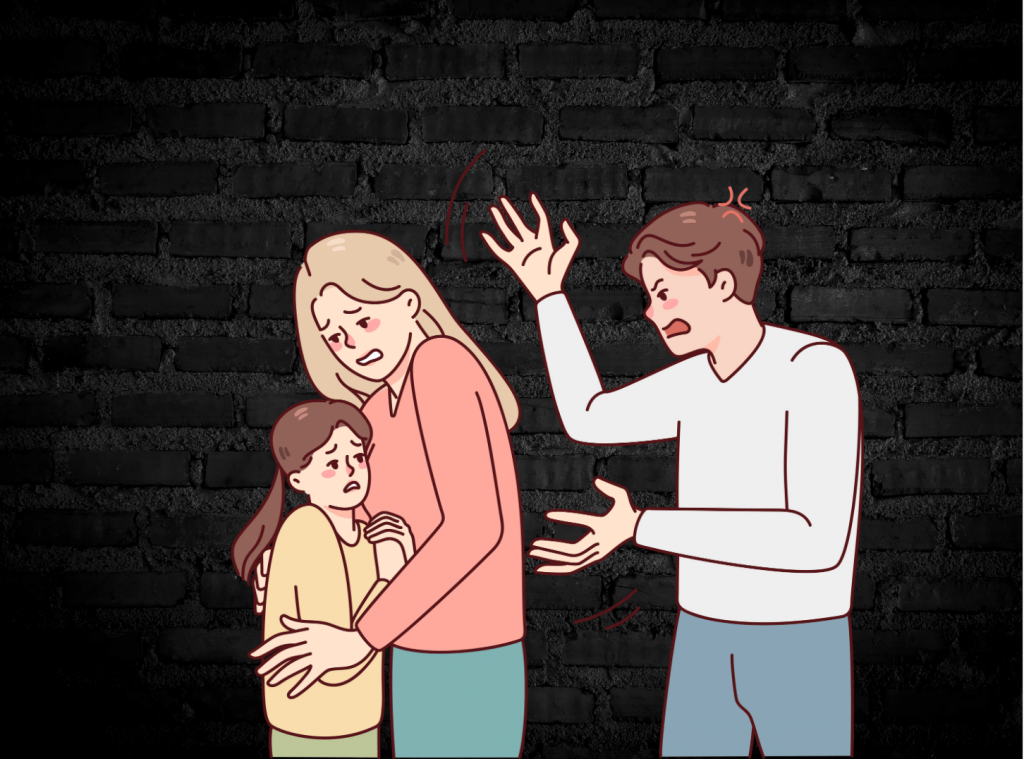
If you ever find yourself in a scary and abusive situation, you might want to explore options to protect yourself. However, when the going gets tough and no immediate solutions work, you need to consider more official and legitimate avenues. The personal protection order serves as one such plausible solution. A court issues this civil order to make one person stop harming or harassing another. These orders not only provide substantial protection from abuse, stalking, and harassment, but they also significantly ease one’s mind, removing the burden of living in constant fear. Consequently, in this article, we will explore the topic of personal protection orders and guide you on how to apply for one.
What is a Personal Protection Order?
The family court in Singapore issues the Personal Protection Order (PPO) to protect a spouse and/or their children suffering from family violence. You can find this order under Part VII of the Women’s Charter, supplemented by the Expedited Order and the Domestic Exclusion Order.
For a successful PPO application, you must prove two elements:
- A family member has committed or is likely to commit an act of family violence; and
- A PPO is necessary for the protection of that family member.
So, how does one define “family violence?”Section 64 of the Women’s Charter describes family violence as any of the following acts:
- Wilfully or knowingly putting a family member in fear of hurt, or attempting to do so;
- Committing an act that is known or ought to have been known to cause hurt to a family member;
- Wrongfully confining or restraining a family member against their will; or
- Continually harassing with intent to cause or knowing that it likely causes anguish to a family member.
The court recognizes not only physical abuse but also psychological abuse, such as intimidation, threatening behaviour, harassment, mocking, controlling, confining, or restricting a person from free movement as family violence.
The Different Types of PPOs in Singapore
There is a wide variety of types of protection orders the court can grant you. Under section 65(5) of the Women’s Charter, these protection orders include:
-
- A personal protection order (PPO) – Restrains the abuser from committing family violence. Also helps restrain the abuser from inciting or assisting anyone to commit family violence against the family member.
- An expedited order (EO) – An urgent and temporary PPO made without going through a trial. If it is satisfied that there is imminent danger of family violence, the court has power to grant an EO immediately upon application of a PPO, by virtue of section 66 of the Women’s Charter.
- A domestic exclusion order (DEO) – Domestic Exclusion Orders (DEOs) ban the abuser from the house in which the family has been living, as stated under section 65(5)(a) of the Women’s Charter. This can either be the whole house or only certain parts of the house.
- A counselling order (CGO) –This order refers parties in a PPO application to counselling and is made concurrently with a PPO. A family support agency conducts the counselling, and children may need to attend as well.
Who Can Obtain a PPO in Singapore?
Any citizen, resident, and even those domiciled in Singapore can file for a personal protection order, including members of Muslim families. Interestingly, you can file a PPO application to protect not only yourself but also your children, provided they are below the age of 21. Similarly, you can file for an incapacitated family member, as long as you are 21 years of age or older. On the other hand, if you are below 21 but have married or have previously been married, you can also file an application.
Count on Yeolaw to Guide You Through Your Divorce
Having experienced such a traumatic event, many survivors understandably opt to file for a personal protection order against their abuser. While some may dismiss this as merely a piece of paper, it is, in reality, much more than that. Indeed, a personal protection order is a legal document that can serve as a crucial barrier to keep an abuser at bay, thereby helping a survivor and their children live safe and healthy lives. To begin your journey towards a safer environment, book now for a free consultation with Yeolaw. You may also call us at +65 6220 3400 or visit our website today.

When aspouse painstakingly obtains a court order for the other spouse to pay wife’s maintenance or for child’s support, only to be met with the payor’s refusal to pay or unilateral deductions of the monthly payment, it seems like the current regime caused the victim more pain to seek repayment.
The payor’s are often not deterred by the current law.
The usual tactic these non-payors engages would be:
- defend endlessly with their excuses not to pay;
- intentionally reduce their work (some even quit their jobs on their own accord), to argue that they have lesser means to pay the ordered sums;
- intentionally jack up their own monthly expenses or spending more for their new families and new children;
- self-declaration bankruptcy;
- file summons to vary the ordered sums downwards (payor could afford legal fees but could not pay the monthly maintenance to their own child(ren);
- the list goes on.
Ironically, the victims see that these non-payors have the means to own a new car and enjoy holidays in exotic destinations- one would wonder how such non-payors would crying poor.
The new process in Maintenance Enforcements aims to simplify applications relating to the non-compliance with maintenance orders and to enhance deterrence against non-compliance for those who can pay maintenance but refuse to pay.
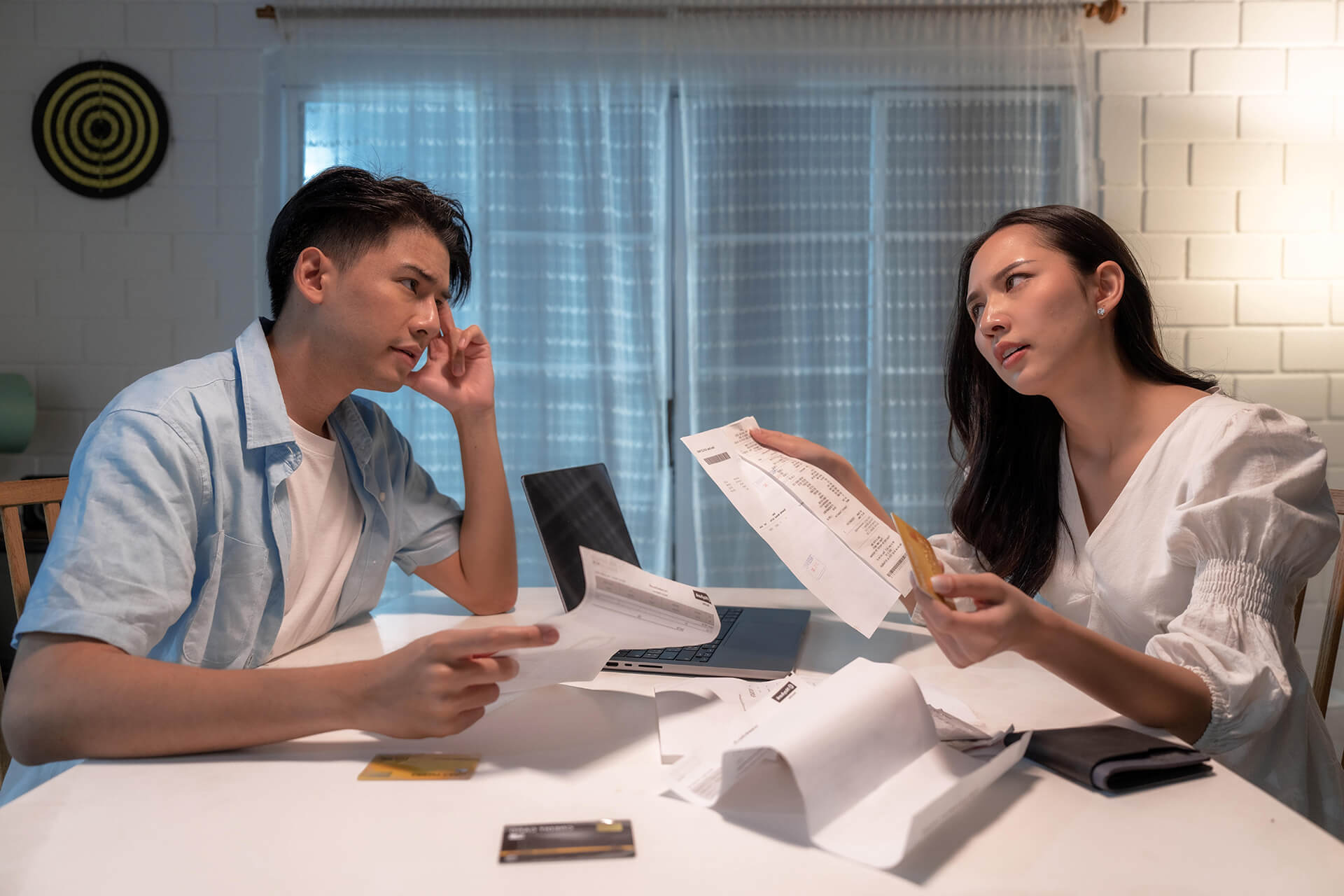
Key changes include:
- NEW Maintenance Enforcement Process; and
- Appointment of Maintenance Enforcement Officers.
REFORMS:
- Lesser court attendances;
- Lesser waiting time;
- Court can deal with non-payor more decisively- Maintenance Officers will be empowered to obtain non-payor’s assets and means directly from government agencies like IRAS, SLA, LTA or CPF Board etc and financial institutions like banks (currently a court order is required to obtain these information and it means more expenses for the victims) and submit the report to the Court;
- Court will channel those who truly cannot pay maintenance to appropriate assistance like job referral programmes;
- Conciliation process rather than mediating with non-payors;
- Non-payors shall be sentenced to imprisonment if Show-Payment Order is breached;
- Injunction order or clawback order when victims or the court officer suspect that the non-payor is intending to dissipate, or has dissipated, assets to frustrate the enforcement of a maintenance order.
If you are the alleged non-payor of a maintenance order where you are GENUINELY having difficulties paying maintenance, or that your financial circumstances have GENUINELY changed subsequent to the divorce order, you may wish to speak to an experience family lawyer from Yeolaw Family Law Specialist at 6220-3400 to work out a more sustainable maintenance order.
Marriage in Singapore has always been the true basis of a family unit across all cultures. Couples who choose to enter holy matrimony together actively commit to a lifetime full of love and sacrifice. However, despite this, there has been an increasingly high rate of divorces occurring throughout the years. In this article, we will be looking into the contributing factors to the increased divorce rate in Singapore. It also aims to understand these factors in order to help prevent more divorces in the future.
Understanding the Divorce Rate in Singapore
Back in 2021, Singapore observed 7,674 divorces, indicating an upward trend in the divorce rate. This was an increase of 14.4% from the tallied 6,708 divorces in the previous year 2020. Due to COVID-19, 2020, it was reported as a year of fewer divorces than in other years. However, as authorities gradually lifted safety measures and life returned to normal, divorce applications and divorce proceedings started to rise again, further impacting the divorce rate in Singapore.
Causes of Rising Divorce Rates in Singapore
-
Adultery
Adultery is, more often than not, one of the leading causes of divorce. While some couples try to work it out after the cheating has occurred, this betrayal is too much for some. Cheating can stem from several reasons. From personal issues or a dying relationship all deal a damaging blow to any relationship, married or not. With that, couples decide to separate and opt for a divorce.
-
Domestic Abuse
Partners who abuse people also increase the likelihood of divorce, and the abused person may even seek a Personal Protection Order against their abusive partner. However, while leaving an abusive relationship may seem like the right move, it can be terrifying because the abuser may continue to harass them. Thankfully, if the abuser refuses to accept the divorce, the victim can opt to approach the police, apart from filing for the PPO. Additionally, the court can also expedite this order for them, especially if the victim is facing an immediate threat to their life.
-
Financial Problems
Not even the strongest of relationships can survive financial issues. Couples who struggle to make ends meet result in a deteriorating relationship and eventually lead to divorce.
-
Lack of Intimacy
Intimacy is essential to any relationship, marriage or not. Not only does physical intimacy play a huge role, but so does being emotionally available as well as putting in the effort to express your love. As time passes, significant events in life can lead to a deteriorating relationship.When someone loses interest, they may also lose the inclination to provide the love that their partner needs.
-
Addiction
Too much of anything is, in and of itself, an alarming matter already, however, addiction to any vice increases its seriousness tenfold. Whether this is substance abuse or an addiction to gambling, these can lead to not only someone neglecting their own health but their spouse entirely as well.
The Impact of Divorce in Society
It is understood that divorce is a difficult matter for couples. However, what most people don’t realize is that it greatly affects a whole lot more. The most common negative effect divorce has is on children. In fact, many of them blame themselves for their parent’s divorce. This not only causes guilt but emotional turmoil as well. This can negatively affect their performance in school as well as developmental issues and behavioural problems.
Furthermore, divorce hinders society not only by dissolving families but weakening the belief in families being an essential social unit as well. Most people see families as the emotional, financial, and even educational support. And without this, it will be impossible for others to thrive.
Preventing Divorce in Singapore
While saying it is easier than doing it, couples can use effective ways to prevent divorce from happening. One way to assure this is by making sure that both parties are open to communication. Relationships take a lot of work, but when they are open to sharing how they want to be loved and what they expect from one another, any problem becomes easier to deal with.
Being open to and accepting change is also another way to prevent divorce. Not everything will go according to plan in a marriage. In fact, most of the time nothing ever does. However, whether you choose to accept these changes or not will greatly affect your relationship. In a committed relationship, nothing is more important than choosing to stay by each other’s side no matter what is thrown at you. Instead of fighting against the change that life gives you, it is more helpful to choose to fight through it together.
Count on Yeolaw to Guide You Through Your Divorce
There are several reasons why the divorce rate remains at an all-time high in Singapore. And, unfortunately, no matter how hard couples strive to keep their relationships alive, there are just some that are not meant to last. That is why at Yeolaw, we are prepared to hold your hand throughout the entire process. Book a free consultation with us today via +65 6220 3400 or visit our website to get through this trying time together.

There are a lot of factors that one needs to learn when considering divorce proceedings. With that, much of all the necessary information can be easily found via the internet. From the requirements to the process, there are a lot of divorce articles people can look up to understand all of this. However, these could be daunting when going at it alone, most especially what takes place in court. In this article, we will be covering what exactly happens during the divorce proceedings in Singapore. Keep reading to know what to expect in divorce proceedings so you can prepare accordingly.
Overview of Divorce Proceedings in Singapore
Before anything else, when you are considering divorce, it is important to understand the two kinds. Uncontested and contested divorces exist within the divorce. In an uncontested divorce, both parties agree on all details regarding your separation. These include child custody, child support, asset division, and alimony. On the other hand, a contested divorce is when both parties cannot come to an agreement with all of the aforementioned details. This is where the divorce proceedings come in, as the court will need to step in in hopes to help find the best arrangement for you and your spouse.
With that, your divorce proceedings will highly depend on the kind of divorce you will have. Both parties will either have to attend a contested divorce hearing or an uncontested one.
Divorce Proceedings for uncontested divorce
For the divorce to qualify as an uncontested divorce, the defendant:
- Only agrees on the divorce but not on the ancillary matters stated in the Memorandum of Appearance (MOA).
- Failed to file their MOA within 8 days (if located in Singapore) or within 21 days (if the defendant resides outside of Singapore) after receiving the divorce papers.
- Failed to file a defence within 14 days of filing their MOA indicating their intention to contest the divorce action.
At the court hearing, members of the public are not allowed to attend. Parties and their lawyers (if any) are not required to do so as well. During the proceeding, the court will grant an Interim Judgement if the marriage is deemed broken down irretrievably. Parties may then go to the LawNet & CrimsonLogic Service Bureau to extract this.
However, if the defendant agrees on the divorce but not on the ancillary matters, the court will schedule a date for an ancillary matters case conference after the Interim Judgment is granted.
On the other hand, if the defendant fails to file their MOA or defence within the deadline, parties will have to wait for 3 months from the date when the court grants the Interim Judgment to extract the Certificate of Final Judgment.
Extracting the Certificate of Final Judgment finalises and completes the divorce proceedings.
Divorce Proceedings for contested divorce
In a contested divorce , the court may require parties (or their lawyers, if any) to attend a court session. This is known as a case conference before a date for the contested divorce hearing is scheduled.
Only those directly involved in the matter can attend a case conference. If members of each party have a lawyer, they will not be required to attend the case conference.
The hearing will take place after the conference. While it is important to understand that attendance is a must, it is also vital to arrive early, dress appropriately and behave in a courteous manner. If a party does not attend without a valid reason, the court may proceed.
With that, the divorce proceedings may take one or several days, depending on the number of witnesses and the complexity of the case. Once the parties have taken the stand and presented their evidence, the court will grant the Interim Judgement. Similarly, parties may extract this at the LawNet & CrimsonLogic Service Bureau. Once accomplished, an ancillary matters hearing will be scheduled and the issues discussed will be heard during the divorce proceedings at court.
Handle Your Divorce Proceedings With Yeolaw
Divorce is never an easy ordeal to go through. Whether it’s made a little bit easier as an uncontested divorce or through the difficulties of a contested one, all the processes can be a lot for one person. At Yeolaw, we are ready to guide you to make this emotional period as smooth and hassle-free as possible. Book a free consultation with us today via +65 6220 3400 or visit our website and start your divorce journey together.
Going through a divorce is not a pleasant experience and can be a low point in the lives of many. For many individuals, divorce may be the best option to rebuild their lives afresh, away from negativities and toxicity. Getting a divorce is the final chapter in the marriage to work out the fair division of assets and continuous sharing of responsibilities to their children.
Knowing the divorce process can help alleviate some of this burden by giving you concrete steps to take and showing you the documents and administrative duties you need to prepare for.
This article intends to give you a comprehensive understanding of the entire process to allow you to make the necessary decisions and steps. Making sure that you know the options available to you also helps to make sure that you do not get shortchanged or blindsided in the process of sorting out your new life.
Understanding a Divorce
The court grants a divorce when it finds that a marriage has irretrievably broken down, and this signals the legal end of a marriage.
It is not a couple’s choice to determine whether their divorces are classified as uncontested or contested. To call a divorce uncontested, parties must work out a full agreement and it involves many nights of discussions and negotiations. Full agreement does not come out of the blue!
The uncontested route refers to a scenario where both parties agree on getting a divorce, including the reasons and all related matters, including custody, care, control and access of children, children’s maintenance (if relevant), maintenance to wife (or S$0 or S$1 or other amounts) and division of matrimonial assets.
While it is possible to get a divorce without a lawyer, the paperwork and administrative hassle can add to the already high level of stress you are undergoing. Additionally, any errors or missing information will eventually result in you incurring additional costs as you will need to rectify and re-file for a divorce.
To guide you through this process and have one less thing to worry about, hiring an experienced divorce lawyer can give you peace of mind that you know what you are getting into.
Eligibility for Divorce
To obtain a divorce in Singapore, you or your spouse must be Singapore Citizens or must have at least lived in Singapore for three years preceding the filing of the divorce application to demonstrate that parties consider this their home.
Additionally, you or your spouse must have been married for a period of at least three years to be eligible to apply for a divorce. This is different from being separated for three years.
However, in exceptional circumstances, where the parties wish to file for divorce before the three-year mark, the court can make exceptions subject to its approval, such as in a situation where one can prove to the court that one has suffered exceptional hardship or deprivation like multiple adulteries, or grievous and continuous bodily harm inflicted on a spouse.
Proving the Marriage has Broken Down Irretrievably
In Singapore, there are five grounds of divorce that can help to prove that a marriage has broken down;
- Adultery
- Unreasonable behaviour
- Desertion
- 3 years’ separation
- 4 years’ separation with consent
Adultery
If a party is to use adultery to prove the ground for divorce, the party must prove with irrefutable evidence that their spouse has been engaging in extramarital affair and that the adulterous pair has engaged in sex.
To assist in obtaining such evidence, you can hire a private investigator to obtain video evidence of the act, photographs in suggestive poses, or phone conversations regarding the matter. However, it is always prudent for the divorcing party to speak to an experienced divorce lawyer first before you incur the fees for private investigator which usually range from S$500 and above.
You must also find it intolerable to live with your adulterous spouse. The law prohibits you from using adultery as the reason if you continue living with your adulterous spouse for more than six (6) months after you discovered the adultery/extra-marital affair. Still, you may use other reasons like unreasonable behaviour.
Unreasonable Behaviour
When your spouse’s conduct makes it relatively hard for you to live together with your spouse, you can rely on your spouse’s certain behavior that he/she has behaved in such a way that you can no longer live with him/her as a ground for divorce.
The court considers what constitutes behavior that makes it intolerable for you to continue to live with him/her, and there are no clear metrics for this. Although an experience divorce lawyer may be able to advise you what is acceptable to the courts. You need not have harsh allegations against your spouse to qualify for divorce under unreasonable behavior. Some examples include domestic violence, emotional abuse, neglect, talking down, laziness and compulsive gambling that causes financial detriment to the aggrieved spouse. Less serious acts repeated over a long period of time can also qualify for divorce under unreasonable behaviour.
However, it is worth noting that the divorce paper, i.e. Statement of Particulars must still contain sufficient facts and a certain level of allegations against your spouse in order for the judge to grant a divorce. An experienced divorce lawyer, who is a wordsmith in legal writing may write such a statement with finesse to be able to obtain court’s approval. Certainly, there is nothing like a filing party having little or nothing to write about your spouse’s conduct, the experienced lawyer will guide you on the fact-finding and composition of the statement.
Desertion
If your spouse has gone missing for a continuous period of at least two years with the intention to bring the matrimonial union to an end without your knowledge and without your consent, you can rely on desertion as the ground for divorce. Nevertheless, desertion does not include circumstances when your spouse has to work overseas for an extended period of time or if there has been an agreement that the parties will be separated for a period of time. For desertion to be proven, the aggrieved spouse must have been abandoned with no consent. You have to show that the missing spouse has evinced a clear intention to abandon the family.
Separation
Proving separation of at least three (3) years with both parties agreeing to the divorce or parties having lived apart for at least four (4) years is the best option for a non-contested divorce. However, this separation must be factual and not made-up for the purpose of divorce. If any party lies in court, it will be regarded as contempt of court, resulting in penalties such as a fine and/or jail term.
Beyond physical separation, parties have to show that they no longer perform any spousal duties or make any claims with their spouse during the period of separation. Prior to divorce based on separation as the reason for divorce, parties can enter into a deed of separation to clarify the management of their matrimonial assets during the time apart and upon divorce and to state their intention to live separately.
The Divorce Process
The one filing the divorce application to the court is the plaintiff, while the spouse is the defendant.
Preparing Relevant Documents
Prepare the following documents when filing the divorce papers to the Court, such as writ for divorce, statement of claim, statement of particulars, memorandum of appearance, acknowledgment of service, proposed parenting plan (if the married couple have children below the age of 21), certification of completion for the mandatory co-parenting programme (CPP) conducted by MSF (if the married couple have children below the age of 21), and the proposed matrimonial property plan if the married couple possess a HDB flat.
Initially, MPP was started by MSF around December 2016 with the hope that an individual contemplating divorce would know the financial implications and effects it would have on their children. It has since been replaced with the Mandatory Co-Parenting Programme (CPP) which includes an e-learning section and a consultation with a counsellor.
However, such programmes may not achieve their desired outcome as parties involved in a marriage that has suffered a complete breakdown may not look to restore their relationship despite the program.
Filing for Divorce
In the event that you have a divorce lawyer representing you, the law firm representing you will be responsible for submitting your divorce documents by advising you on the law and assisting you to prepare the necessary documents and filing the documents through eLitigation.
Serving the Divorce Papers
Once your divorce application is approved by the court, your lawyers will assist you with the next steps:
- Invite the defendant to attend at the law firm to discuss a settlement. This step is essential if parties wish to seek a settlement to the matter as early as possible. But if the defendant is not willing to discuss the terms out of court, the plaintiff will have to follow the court procedure of serving the papers to the defendant;
- the divorce papers will be served to the defendant personally by way of delivering the papers to the defendant’s home or office. If the defendant has engaged a lawyer, the papers will be served to his lawyers via eLitigation;
- if the Defendant cannot be found or refuses to respond despite being able to respond, you have to commence application for Substituted Service/Dispensation of Service on the defendant;
- Once the Writ and the relevant divorce documents have been served to the defendant, procedurally the defendant or his/her lawyer will have eight (8) days to respond by indicating in the Memorandum of Appearance whether he/she wishes to contest the divorce and/or ancillary matters;
- If the defendant fails or refuses to respond, the court deadline will not stop for him/her;
- If the Defendant wishes to dispute, he/she has to file a defence and/or counterclaim within 22 days of receiving the Writ. He/she then has to attend the CPP course, and to prepare and file the defendant’s Proposed Parenting Plan (or Agreement), the defendant’s Proposed Matrimonial Property Plan (or Agreement).
At this time if parties cannot reach a full settlement to the divorce and the ancillary terms, you may discuss with your lawyer to commence one of the following dispute resolution methods:-
- Exchanges of settlement proposals; and/or
- Without prejudice meeting with parties and respective lawyers; and/or
- Private mediation (fees to be paid separately to the private mediation centres); or
- Optional to attend court mediation before a judge mediator at the CFRC mediation centre (under Family Justice Courts); or
- However, if the marriage has children below the age of 21 years old, it is compulsory to attend compulsory CFRC counselling with court counsellors and CFRC mediation with judge mediator.
Interim Judgment for Divorce
If the Defendant chooses not to contest the divorce and accepts your statement, the Family Justice Courts will grant the Interim Judgment for Divorce if the Defendant chooses to agree to the divorce. The timeline is usually one (1) month from the date of filing the Memorandum of Appearance indicating that the Defendant does not wish to defend the action.
Or in another situation where the Defendant files his counterclaim against you and you accept the counterclaim, the court will grant an Interim Judgment for Divorce.
At this point, if parties still have not come to a full agreement on the ancillary matters after the interim judgment for divorce is granted, the case will then move to the ancillary matters stage of divorce proceedings.
Ancillary Matters
Ancillary matters refer to the custody, care and control of the children, matrimonial property, matrimonial assets, children and spousal maintenance and other matters. If both parties could reach an agreement on all the ancillary terms, the court may grant the consent order based on parties’ agreement. However, before you agree to the terms, it is wise to seek proper legal advice from experienced divorce lawyers to understand the pros and cons and the effect of the terms.
After another compulsory wait of three (3) months, your Certificate of Final Judgment for Divorce i.e. Certificate for Divorce that finalises the divorce proceedings can be extracted. You are officially divorced at this point.
However, if there is no agreement reached for the ancillary matters, the following procedures follow:
- both parties will need to file and exchange his/her Affidavit of Assets and Means (AOM) which will include relevant financial documents, like bank statements, CPF records, employment contracts, monthly expenses, and tenancy agreements amongst other things;
- The parties are also required to file his/her reply affidavit. If the situation deems it required, you will need to file the application for Request for Discovery/Interrogatories and you shall seek your divorce lawyer’s advice with respect to this;
- At the ancillary matters hearing, the court will hear both parties’ legal and factual submissions and decide on a fair order. Once the Court makes a decision on the ancillary terms, the Court will issue an Order of Court;
- Thereafter, the Certificate of Final Judgment i.e. the divorce certificate which concludes the divorce proceedings can be extracted. If any party feels dissatisfied with the order, they can file a notice of appeal.
Understanding Child Custody
To work out matters regarding children during a divorce needs empathy and proper management to allow the children to transition into a post-divorce family setting. The long-term arrangement must be workable and satisfactory to both parties and the children. It cannot be dictated by one parent.
Child custody refers to long-term major life decisions with respect to the child. The options for custody include:
- Sole Custody: Where one parent is the sole decision-maker on major issues relating to the child’s life. For example, the child’s medical care and which primary school to attend.
- Joint Custody: Both parents to mutually decide on the child’s major issues.
- Hybrid: Where parties are granted joint custody but certain issues relating to the child to be decided by one competent parent.
The court will make the custodial decision by relying on the welfare principle wherein the best interests of the child form the first and paramount consideration. The court considers the child’s welfare, including the child’s wishes, who is the primary caregiver, living arrangements, finances, and support. A parent’s better financial status or preference to take the child will not guarantee custody.
Deciding Care and Control of Child
The custody of the child does not determine who will be the primary caregiver of the child.
The care and control order determines which party takes care of the daily life of the child. In most cases, the mother of a very young child is given the care and control of the child in Singapore whereas the visiting parent usually has equal and reasonable access to the child. Parties may work out what constitutes equal timing to be spent with the child, failing which, the court will decide for the parents.
Division of Marital Assets
If the parties cannot come to an agreement with respect to the division of their matrimonial assets, the court will consider the following factors when dividing the assets;
- What is considered matrimonial assets;
- The extent of financial contribution to the assets;
- The extent of non-financial contribution to the family;
- The needs of the children;
- Prior agreements between the parties by a deed, prenuptial agreement or other agreements;
- Financial needs of each party;
- This list is not exhaustive.
Building a new life after divorce
A divorce proceeding could assist you in cutting off from a toxic family.
Coupled with a court order stating exactly parties’ respective entitlement to the matrimonial house, assets, and the arrangement for the child(ren), the administrative work after divorce may be taxing. For example, when one ex-spouse refuses to move out of the matrimonial home, or refusal to pay the required ordered maintenance amount. If such a situation occurs, it is essential to seek further legal advice on the enforcement or performance of the court order.
Seek Help
Navigating the procedures and standard practices of divorce and drafting the required paperwork can be confusing without legal help. It is important to seek professional opinions to make sound decisions as each decision would affect you in the long term. Contact Yeolaw Singapore Divorce Lawyers (Yeolaw Family Law Specialist) at 62203400 for a detailed discussion on your options.