Divorce-Proof Your Marriage: Essential Tips for a Lifetime of Love and Happiness
In a world where divorce rates in Singapore are on the rise, finding the secrets to a long-lasting and fulfilling marriage has become more important than ever. From effective communication strategies to cultivating trust and intimacy, it is vital to explore techniques that will set you on a path towards a lifetime of love and happiness. Whether you’re newlyweds hoping to build a strong foundation or a couple looking to strengthen your bond after years together, this article is packed with essential tips to help you divorce-proof your marriage.
Importance of Building a Strong Foundation for Marriage
A strong foundation is essential for any successful marriage. When you lay the groundwork for a healthy partnership from the start, you create a solid base upon which to build a lifetime of love and happiness. It’s important to understand that marriage is not just a union between two individuals, but a commitment to grow and evolve together. By investing in your relationship early on, you set the stage for a resilient and divorce-proof marriage.
Communication
One key aspect of building a strong foundation is effective communication. Understanding, empathy, and emotional connection are fostered by open and honest communication. It’s crucial to create a safe space where both partners can express their thoughts, feelings, and needs without fear of judgment or rejection. Developing strong communication skills early in your marriage will help you navigate challenges and conflicts with grace, ensuring that small issues don’t escalate into larger problems down the road. By laying the groundwork for open and honest communication, you set the stage for a marriage built on trust and mutual respect.
Additionally, prioritize open and non-judgmental communication. Encourage your partner to express their thoughts and feelings without fear of judgment or reprisal. Actively listen and validate their emotions. By fostering a safe space for open dialogue, you strengthen the trust in your marriage and create a deeper emotional connection.
Building Trust and Honesty in Your Relationship
Trust is the cornerstone of any successful marriage. Without trust, a relationship is destined to crumble under the weight of doubt and insecurity. Although it takes time and effort to build trust, the benefits are immeasurable. Start by being transparent and honest with your partner. Share your thoughts, fears, and vulnerabilities, and encourage them to do the same. By fostering an environment of trust and honesty, you create a solid foundation for your marriage to thrive upon.
It’s also important to be reliable and consistent in your actions. Hold yourself to your commitments and keep your word. Be there for your partner through good and bad times. When you consistently demonstrate your trustworthiness, your partner will feel secure and valued in the relationship. Keep in mind that trust is earned, not just through words but actions as well.
Committing to a Lifetime of Love and Happiness
Divorce rates may be on the rise, but that doesn’t mean your marriage will inevitably fail. By building a strong foundation, you can divorce-proof your marriage and create a lifetime of love and happiness. Remember, a successful marriage requires constant effort and commitment from both partners, but the rewards are immeasurable. Take control of your relationship today with Yeolaw and embark on a journey towards a stronger, more fulfilling partnership. Consultations are free and can be booked via +65 6220 3400 or through our website.
Navigate Singapore’s divorce rate wisely! In the midst of rising divorce rates, Yeo Law provides valuable advice and 6 must-know tips for finding budget-friendly divorce lawyers. Read more and safeguard your interests amidst the divorce rate in Singapore!

The annulment of marriage is a legal way to declare a marriage null and void, as if it never existed. But how does one navigate through this complex process? In this article, we will take you on a journey through the intricacies of the annulment of marriage in Singapore. We will shed you some light on all the details involved. Whether you are considering an annulment yourself or simply seeking to expand your knowledge. This article guide will provide you with the necessary insights you ought to know about annulment.
What is Annulment?
The legal process of annulment declares a marriage null and void, as if it never existed. Unlike divorce, which is the dissolution of a valid marriage, annulment establishes that the marriage was invalid from the beginning. Essentially, annulment erases the legal existence of the marriage, treating it as though it never took place. This can have significant implications for individuals. Especially those seeking to move on from a marriage that was invalid or based on fraudulent grounds.
Annulment is available for marriages that meet specific criteria. One that is being void or voidable under the law. The criteria for annulment can vary between jurisdictions, and Singapore imposes specific legal requirements to annul a marriage. Understanding these grounds and requirements is crucial for anyone considering the annulment process.
Grounds for Annulment of Marriage
The law defines specific grounds on which a variety of reasons can annul marriages. In Singapore, there are several grounds for annulment, including:
- Prohibited by law – The law deems marriages between close relatives or individuals who are already married as invalid from the beginning, and upon discovering their void status, they can annul such marriages.
- Voidable marriages – Marriages can annul based on grounds such as non-consummation, lack of consent, or fraud.
- Lack of Capacity – Situations where one party is underage or mentally incapacitated during the marriage can be grounds for annulment.
- Fraud or Misrepresentation – Marriages can undergo annulment when they involve fraudulent circumstances or when one party bases the marriage on misrepresentation. This encompasses situations where one party conceals crucial information or deceives the other party into the marriage.
.
The Annulment Process in Singapore
The annulment process in Singapore can be complex and challenging. It is crucial to understand the steps involved and seek professional guidance when necessary. Here is a detailed breakdown of the annulment process in Singapore:
- Consultation with a Family Lawyer – The first step is to consult with a family lawyer who specializes in annulment cases. They will assess your situation, provide legal advice, and guide you through the annulment process.
- Preparation of Documents – Once you have engaged a lawyer, you will need to prepare: the Writ for Nullity, Statement of Particulars, and Affidavit in Support and file these with the Family Justice Courts in Singapore.
- Service of Documents – After filing, the party must serve the documents to the other party involved in the marriage either through a process server or by registered mail.
- Case Management Conference – Once served, the parties involved will schedule a Case Management Conference. This conference aims to manage and streamline the annulment process by setting timelines and addressing any preliminary matters.
- Mediation and Negotiation – In some cases, both parties may need to engage in mediation or negotiation to address any issues or disputes. This collaborative approach aims to facilitate a mutually agreeable settlement, thereby avoiding the need for a trial.
- Trial and Judgment – If mediation or negotiation fails to resolve the annulment, a trial may become necessary. In the trial, both parties will present their case, and the court will render a judgment based on the evidence and legal arguments put forward.
- Annulment Order – Upon the court’s determination that the marriage is null and void, it will issue an annulment order. This legal order officially declares the marriage invalid, enabling both parties to proceed as if the marriage never occurred.
The Outcome of Annulment
The outcome of an annulment in Singapore is the legal declaration that the marriage is null and void. The law, therefore, treats the marriage as if it never existed. The law no longer binds the involved parties to each other. Allowing them to be free to remarry or pursue other relationships.
It is important to note that an annulment does not have any effect on issues related to children. This includes custody or support. The family court system in Singapore typically addresses these matters separately.
Empowering Individuals through Knowledge of the Annulment Process
The process of annulment of marriage in Singapore is a complex legal procedure that allows for the declaration of marriage as null and void. Furthermore, individuals considering this path must understand the grounds for the annulment of marriage, meet the legal requirements, and navigate the crucial steps involved. Book a free consultation with us today at +65 6220 3400 or visit our website. Let’s navigate this challenging journey of marriage annulment together.
Starting to navigate through a separation can undoubtedly challenge you emotionally and present complex legal issues. Especially in Singapore, where we deeply cherish family values, you must understand both the legal and emotional aspects involved to balance the separation process delicately. This journey might involve dissolving a marriage or terminating a common-law relationship. As a result, you need to keep yourself well-informed about the legal procedures and be aware of the emotional impact that you and your loved ones may encounter. In this article, we delve into the intricacies of separation in Singapore. Whether you contemplate a separation, currently progress through one, or simply seek information, this guide will assuredly equip you with the necessary knowledge to handle this challenging chapter of your life.
Legal Overview of Separation in Singapore
Singapore has a well-established legal framework that governs the process of separation. It is important for individuals to familiarize themselves with the key aspects of this framework. This is to ensure a smooth and fair process.
Eligibility Requirements of Legal Separation in Singapore
To be eligible for legal separation in Singapore, individuals must meet certain criteria. The most fundamental requirement is that the marriage or common-law relationship has irretrievably broken down. This breakdown can be evidenced by factors such as adultery, unreasonable behaviour, desertion, separation for a continuous period of three years, or separation for a continuous period of four years with the consent of both parties.
Steps in Separation Process
The process of separation in Singapore involves several steps that must be followed to ensure a legally valid and binding separation agreement. These steps include filing a writ for judicial separation, serving the writ to the other party, attending mediation sessions, and ultimately obtaining a judgment of judicial separation from the court. It is essential for individuals to seek legal advice and representation to navigate these steps effectively.
Coping with the Challenges
Separation can present individuals with various challenges, both emotionally and practically. It is important to acknowledge and address these challenges to ensure a smoother transition. Seeking emotional support from friends, family, or professional counsellors can provide individuals with a safe space to express their feelings and navigate the emotional rollercoaster that often accompanies separation.
Seeking Professional Help and Support during Separation
Separation can be an overwhelming and isolating experience. It is important for individuals to seek professional help and support to navigate this challenging chapter of their lives.
Legal Support
Engaging the services of a skilled family lawyer is crucial during separation. A qualified family lawyer can provide individuals with expert advice. They could also guide them through the legal procedures, and advocate for their rights and interests. Having a competent legal professional by one’s side can alleviate stress and ensure a fair resolution.
Emotional Support
Separation can take a toll on an individual’s emotional well-being. Seeking support from friends, family, or professional counselors can provide individuals with a safe space to express their thoughts and emotions. Additionally, there are support groups and counseling services available that specialize in assisting individuals going through separation. These resources can provide valuable insights and coping strategies.
Navigating Separation in Singapore
Separation in Singapore can be a challenging and complex process involving both legal and emotional aspects. By understanding the legal framework, eligibility requirements, and steps involved, individuals can navigate the separation process with greater confidence and clarity. It is equally important to acknowledge and address the emotional impact of separation, seeking the necessary support and coping mechanisms. By empowering ourselves with knowledge and seeking professional help, we can navigate this transformative time with resilience. We can also make informed decisions that will shape our future. Let us embark on this journey together, supporting one another through the highs and lows, and emerge stronger on the other side.
That is why here at Yeolaw, we are prepared to hold your hand throughout the process of separation in Singapore. Book a free consultation with us today via +65 6220 3400 or visit our website to get through this trying time together.
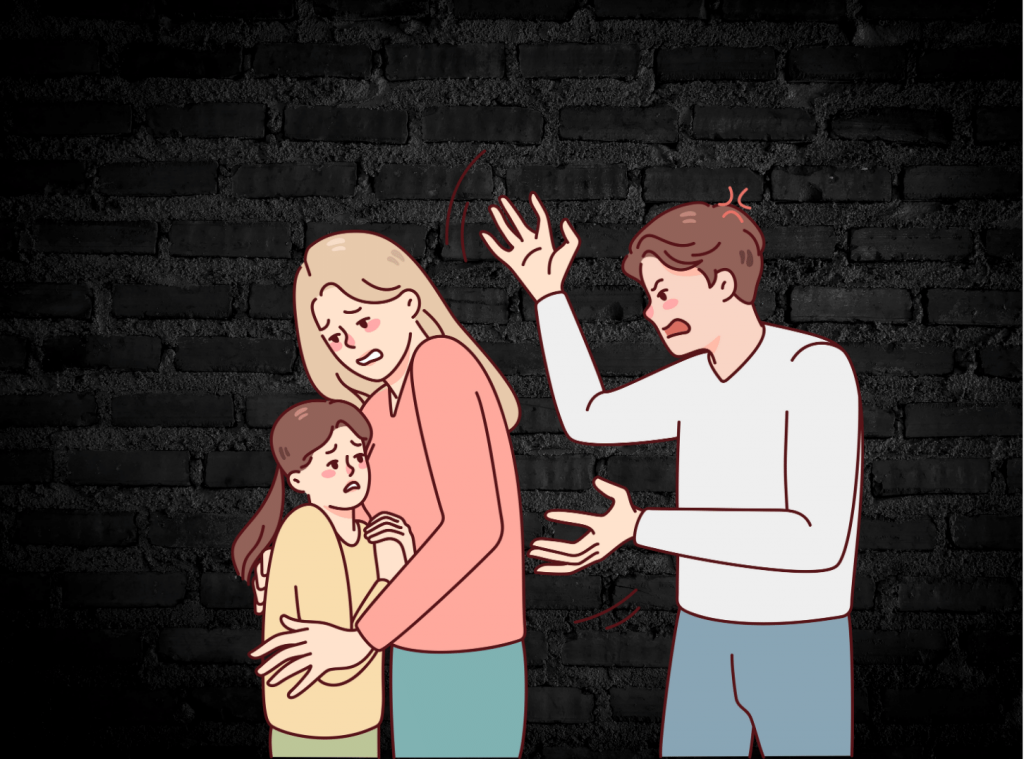
If you ever find yourself in a scary and abusive situation, you might want to explore options to protect yourself. However, when the going gets tough and no immediate solutions work, you need to consider more official and legitimate avenues. The personal protection order serves as one such plausible solution. A court issues this civil order to make one person stop harming or harassing another. These orders not only provide substantial protection from abuse, stalking, and harassment, but they also significantly ease one’s mind, removing the burden of living in constant fear. Consequently, in this article, we will explore the topic of personal protection orders and guide you on how to apply for one.
What is a Personal Protection Order?
The family court in Singapore issues the Personal Protection Order (PPO) to protect a spouse and/or their children suffering from family violence. You can find this order under Part VII of the Women’s Charter, supplemented by the Expedited Order and the Domestic Exclusion Order.
For a successful PPO application, you must prove two elements:
- A family member has committed or is likely to commit an act of family violence; and
- A PPO is necessary for the protection of that family member.
So, how does one define “family violence?”Section 64 of the Women’s Charter describes family violence as any of the following acts:
- Wilfully or knowingly putting a family member in fear of hurt, or attempting to do so;
- Committing an act that is known or ought to have been known to cause hurt to a family member;
- Wrongfully confining or restraining a family member against their will; or
- Continually harassing with intent to cause or knowing that it likely causes anguish to a family member.
The court recognizes not only physical abuse but also psychological abuse, such as intimidation, threatening behaviour, harassment, mocking, controlling, confining, or restricting a person from free movement as family violence.
The Different Types of PPOs in Singapore
There is a wide variety of types of protection orders the court can grant you. Under section 65(5) of the Women’s Charter, these protection orders include:
-
- A personal protection order (PPO) – Restrains the abuser from committing family violence. Also helps restrain the abuser from inciting or assisting anyone to commit family violence against the family member.
- An expedited order (EO) – An urgent and temporary PPO made without going through a trial. If it is satisfied that there is imminent danger of family violence, the court has power to grant an EO immediately upon application of a PPO, by virtue of section 66 of the Women’s Charter.
- A domestic exclusion order (DEO) – Domestic Exclusion Orders (DEOs) ban the abuser from the house in which the family has been living, as stated under section 65(5)(a) of the Women’s Charter. This can either be the whole house or only certain parts of the house.
- A counselling order (CGO) –This order refers parties in a PPO application to counselling and is made concurrently with a PPO. A family support agency conducts the counselling, and children may need to attend as well.
Who Can Obtain a PPO in Singapore?
Any citizen, resident, and even those domiciled in Singapore can file for a personal protection order, including members of Muslim families. Interestingly, you can file a PPO application to protect not only yourself but also your children, provided they are below the age of 21. Similarly, you can file for an incapacitated family member, as long as you are 21 years of age or older. On the other hand, if you are below 21 but have married or have previously been married, you can also file an application.
Count on Yeolaw to Guide You Through Your Divorce
Having experienced such a traumatic event, many survivors understandably opt to file for a personal protection order against their abuser. While some may dismiss this as merely a piece of paper, it is, in reality, much more than that. Indeed, a personal protection order is a legal document that can serve as a crucial barrier to keep an abuser at bay, thereby helping a survivor and their children live safe and healthy lives. To begin your journey towards a safer environment, book now for a free consultation with Yeolaw. You may also call us at +65 6220 3400 or visit our website today.

When aspouse painstakingly obtains a court order for the other spouse to pay wife’s maintenance or for child’s support, only to be met with the payor’s refusal to pay or unilateral deductions of the monthly payment, it seems like the current regime caused the victim more pain to seek repayment.
The payor’s are often not deterred by the current law.
The usual tactic these non-payors engages would be:
- defend endlessly with their excuses not to pay;
- intentionally reduce their work (some even quit their jobs on their own accord), to argue that they have lesser means to pay the ordered sums;
- intentionally jack up their own monthly expenses or spending more for their new families and new children;
- self-declaration bankruptcy;
- file summons to vary the ordered sums downwards (payor could afford legal fees but could not pay the monthly maintenance to their own child(ren);
- the list goes on.
Ironically, the victims see that these non-payors have the means to own a new car and enjoy holidays in exotic destinations- one would wonder how such non-payors would crying poor.
The new process in Maintenance Enforcements aims to simplify applications relating to the non-compliance with maintenance orders and to enhance deterrence against non-compliance for those who can pay maintenance but refuse to pay.
Key changes include:
- NEW Maintenance Enforcement Process; and
- Appointment of Maintenance Enforcement Officers.
REFORMS:
- Lesser court attendances;
- Lesser waiting time;
- Court can deal with non-payor more decisively- Maintenance Officers will be empowered to obtain non-payor’s assets and means directly from government agencies like IRAS, SLA, LTA or CPF Board etc and financial institutions like banks (currently a court order is required to obtain these information and it means more expenses for the victims) and submit the report to the Court;
- Court will channel those who truly cannot pay maintenance to appropriate assistance like job referral programmes;
- Conciliation process rather than mediating with non-payors;
- Non-payors shall be sentenced to imprisonment if Show-Payment Order is breached;
- Injunction order or clawback order when victims or the court officer suspect that the non-payor is intending to dissipate, or has dissipated, assets to frustrate the enforcement of a maintenance order.
If you are the alleged non-payor of a maintenance order where you are GENUINELY having difficulties paying maintenance, or that your financial circumstances have GENUINELY changed subsequent to the divorce order, you may wish to speak to an experience family lawyer from Yeolaw Family Law Specialist at 6220-3400 to work out a more sustainable maintenance order.
Marriage in Singapore has always been the true basis of a family unit across all cultures. Couples who choose to enter holy matrimony together actively commit to a lifetime full of love and sacrifice. However, despite this, there has been an increasingly high rate of divorces occurring throughout the years. In this article, we will be looking into the contributing factors to the increased divorce rate in Singapore. It also aims to understand these factors in order to help prevent more divorces in the future.
Understanding the Divorce Rate in Singapore
Back in 2021, Singapore observed 7,674 divorces, indicating an upward trend in the divorce rate. This was an increase of 14.4% from the tallied 6,708 divorces in the previous year 2020. Due to COVID-19, 2020, it was reported as a year of fewer divorces than in other years. However, as authorities gradually lifted safety measures and life returned to normal, divorce applications and divorce proceedings started to rise again, further impacting the divorce rate in Singapore.
Causes of Rising Divorce Rates in Singapore
-
Adultery
Adultery is, more often than not, one of the leading causes of divorce. While some couples try to work it out after the cheating has occurred, this betrayal is too much for some. Cheating can stem from several reasons. From personal issues or a dying relationship all deal a damaging blow to any relationship, married or not. With that, couples decide to separate and opt for a divorce.
-
Domestic Abuse
Partners who abuse people also increase the likelihood of divorce, and the abused person may even seek a Personal Protection Order against their abusive partner. However, while leaving an abusive relationship may seem like the right move, it can be terrifying because the abuser may continue to harass them. Thankfully, if the abuser refuses to accept the divorce, the victim can opt to approach the police, apart from filing for the PPO. Additionally, the court can also expedite this order for them, especially if the victim is facing an immediate threat to their life.
-
Financial Problems
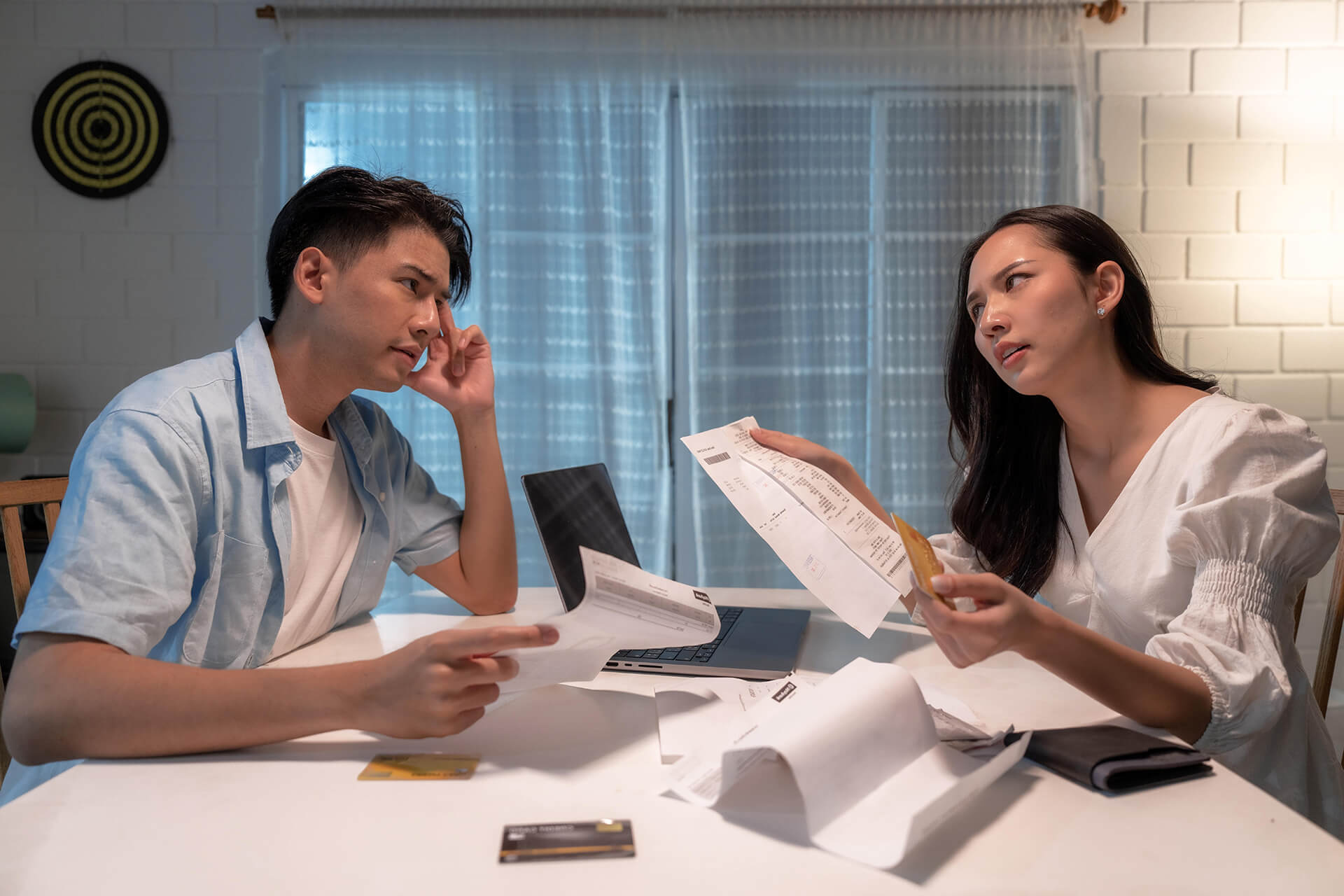
Not even the strongest of relationships can survive financial issues. Couples who struggle to make ends meet result in a deteriorating relationship and eventually lead to divorce.
-
Lack of Intimacy
Intimacy is essential to any relationship, marriage or not. Not only does physical intimacy play a huge role, but so does being emotionally available as well as putting in the effort to express your love. As time passes, significant events in life can lead to a deteriorating relationship.When someone loses interest, they may also lose the inclination to provide the love that their partner needs.
-
Addiction
Too much of anything is, in and of itself, an alarming matter already, however, addiction to any vice increases its seriousness tenfold. Whether this is substance abuse or an addiction to gambling, these can lead to not only someone neglecting their own health but their spouse entirely as well.
The Impact of Divorce in Society
It is understood that divorce is a difficult matter for couples. However, what most people don’t realize is that it greatly affects a whole lot more. The most common negative effect divorce has is on children. In fact, many of them blame themselves for their parent’s divorce. This not only causes guilt but emotional turmoil as well. This can negatively affect their performance in school as well as developmental issues and behavioural problems.
Furthermore, divorce hinders society not only by dissolving families but weakening the belief in families being an essential social unit as well. Most people see families as the emotional, financial, and even educational support. And without this, it will be impossible for others to thrive.
Preventing Divorce in Singapore
While saying it is easier than doing it, couples can use effective ways to prevent divorce from happening. One way to assure this is by making sure that both parties are open to communication. Relationships take a lot of work, but when they are open to sharing how they want to be loved and what they expect from one another, any problem becomes easier to deal with.
Being open to and accepting change is also another way to prevent divorce. Not everything will go according to plan in a marriage. In fact, most of the time nothing ever does. However, whether you choose to accept these changes or not will greatly affect your relationship. In a committed relationship, nothing is more important than choosing to stay by each other’s side no matter what is thrown at you. Instead of fighting against the change that life gives you, it is more helpful to choose to fight through it together.
Count on Yeolaw to Guide You Through Your Divorce
There are several reasons why the divorce rate remains at an all-time high in Singapore. And, unfortunately, no matter how hard couples strive to keep their relationships alive, there are just some that are not meant to last. That is why at Yeolaw, we are prepared to hold your hand throughout the entire process. Book a free consultation with us today via +65 6220 3400 or visit our website to get through this trying time together.

There are a lot of factors that one needs to learn when considering divorce proceedings. With that, much of all the necessary information can be easily found via the internet. From the requirements to the process, there are a lot of divorce articles people can look up to understand all of this. However, these could be daunting when going at it alone, most especially what takes place in court. In this article, we will be covering what exactly happens during the divorce proceedings in Singapore. Keep reading to know what to expect in divorce proceedings so you can prepare accordingly.
Overview of Divorce Proceedings in Singapore
Before anything else, when you are considering divorce, it is important to understand the two kinds. Uncontested and contested divorces exist within the divorce. In an uncontested divorce, both parties agree on all details regarding your separation. These include child custody, child support, asset division, and alimony. On the other hand, a contested divorce is when both parties cannot come to an agreement with all of the aforementioned details. This is where the divorce proceedings come in, as the court will need to step in in hopes to help find the best arrangement for you and your spouse.
With that, your divorce proceedings will highly depend on the kind of divorce you will have. Both parties will either have to attend a contested divorce hearing or an uncontested one.
Divorce Proceedings for uncontested divorce
For the divorce to qualify as an uncontested divorce, the defendant:
- Only agrees on the divorce but not on the ancillary matters stated in the Memorandum of Appearance (MOA).
- Failed to file their MOA within 8 days (if located in Singapore) or within 21 days (if the defendant resides outside of Singapore) after receiving the divorce papers.
- Failed to file a defence within 14 days of filing their MOA indicating their intention to contest the divorce action.
At the court hearing, members of the public are not allowed to attend. Parties and their lawyers (if any) are not required to do so as well. During the proceeding, the court will grant an Interim Judgement if the marriage is deemed broken down irretrievably. Parties may then go to the LawNet & CrimsonLogic Service Bureau to extract this.
However, if the defendant agrees on the divorce but not on the ancillary matters, the court will schedule a date for an ancillary matters case conference after the Interim Judgment is granted.
On the other hand, if the defendant fails to file their MOA or defence within the deadline, parties will have to wait for 3 months from the date when the court grants the Interim Judgment to extract the Certificate of Final Judgment.
Extracting the Certificate of Final Judgment finalises and completes the divorce proceedings.
Divorce Proceedings for contested divorce
In a contested divorce , the court may require parties (or their lawyers, if any) to attend a court session. This is known as a case conference before a date for the contested divorce hearing is scheduled.
Only those directly involved in the matter can attend a case conference. If members of each party have a lawyer, they will not be required to attend the case conference.
The hearing will take place after the conference. While it is important to understand that attendance is a must, it is also vital to arrive early, dress appropriately and behave in a courteous manner. If a party does not attend without a valid reason, the court may proceed.
With that, the divorce proceedings may take one or several days, depending on the number of witnesses and the complexity of the case. Once the parties have taken the stand and presented their evidence, the court will grant the Interim Judgement. Similarly, parties may extract this at the LawNet & CrimsonLogic Service Bureau. Once accomplished, an ancillary matters hearing will be scheduled and the issues discussed will be heard during the divorce proceedings at court.
Handle Your Divorce Proceedings With Yeolaw
Divorce is never an easy ordeal to go through. Whether it’s made a little bit easier as an uncontested divorce or through the difficulties of a contested one, all the processes can be a lot for one person. At Yeolaw, we are ready to guide you to make this emotional period as smooth and hassle-free as possible. Book a free consultation with us today via +65 6220 3400 or visit our website and start your divorce journey together.
Going through a divorce is not a pleasant experience and can be a low point in the lives of many. For many individuals, divorce may be the best option to rebuild their lives afresh, away from negativities and toxicity. Getting a divorce is the final chapter in the marriage to work out the fair division of assets and continuous sharing of responsibilities to their children.
Knowing the divorce process can help alleviate some of this burden by giving you concrete steps to take and showing you the documents and administrative duties you need to prepare for.
This article intends to give you a comprehensive understanding of the entire process to allow you to make the necessary decisions and steps. Making sure that you know the options available to you also helps to make sure that you do not get shortchanged or blindsided in the process of sorting out your new life.
Understanding a Divorce
The court grants a divorce when it finds that a marriage has irretrievably broken down, and this signals the legal end of a marriage.
It is not a couple’s choice to determine whether their divorces are classified as uncontested or contested. To call a divorce uncontested, parties must work out a full agreement and it involves many nights of discussions and negotiations. Full agreement does not come out of the blue!
The uncontested route refers to a scenario where both parties agree on getting a divorce, including the reasons and all related matters, including custody, care, control and access of children, children’s maintenance (if relevant), maintenance to wife (or S$0 or S$1 or other amounts) and division of matrimonial assets.
While it is possible to get a divorce without a lawyer, the paperwork and administrative hassle can add to the already high level of stress you are undergoing. Additionally, any errors or missing information will eventually result in you incurring additional costs as you will need to rectify and re-file for a divorce.
To guide you through this process and have one less thing to worry about, hiring an experienced divorce lawyer can give you peace of mind that you know what you are getting into.
Eligibility for Divorce
To obtain a divorce in Singapore, you or your spouse must be Singapore Citizens or must have at least lived in Singapore for three years preceding the filing of the divorce application to demonstrate that parties consider this their home.
Additionally, you or your spouse must have been married for a period of at least three years to be eligible to apply for a divorce. This is different from being separated for three years.
However, in exceptional circumstances, where the parties wish to file for divorce before the three-year mark, the court can make exceptions subject to its approval, such as in a situation where one can prove to the court that one has suffered exceptional hardship or deprivation like multiple adulteries, or grievous and continuous bodily harm inflicted on a spouse.
Proving the Marriage has Broken Down Irretrievably
In Singapore, there are five grounds of divorce that can help to prove that a marriage has broken down;
- Adultery
- Unreasonable behaviour
- Desertion
- 3 years’ separation
- 4 years’ separation with consent
Adultery
If a party is to use adultery to prove the ground for divorce, the party must prove with irrefutable evidence that their spouse has been engaging in extramarital affair and that the adulterous pair has engaged in sex.
To assist in obtaining such evidence, you can hire a private investigator to obtain video evidence of the act, photographs in suggestive poses, or phone conversations regarding the matter. However, it is always prudent for the divorcing party to speak to an experienced divorce lawyer first before you incur the fees for private investigator which usually range from S$500 and above.
You must also find it intolerable to live with your adulterous spouse. The law prohibits you from using adultery as the reason if you continue living with your adulterous spouse for more than six (6) months after you discovered the adultery/extra-marital affair. Still, you may use other reasons like unreasonable behaviour.
Unreasonable Behaviour
When your spouse’s conduct makes it relatively hard for you to live together with your spouse, you can rely on your spouse’s certain behavior that he/she has behaved in such a way that you can no longer live with him/her as a ground for divorce.
The court considers what constitutes behavior that makes it intolerable for you to continue to live with him/her, and there are no clear metrics for this. Although an experience divorce lawyer may be able to advise you what is acceptable to the courts. You need not have harsh allegations against your spouse to qualify for divorce under unreasonable behavior. Some examples include domestic violence, emotional abuse, neglect, talking down, laziness and compulsive gambling that causes financial detriment to the aggrieved spouse. Less serious acts repeated over a long period of time can also qualify for divorce under unreasonable behaviour.
However, it is worth noting that the divorce paper, i.e. Statement of Particulars must still contain sufficient facts and a certain level of allegations against your spouse in order for the judge to grant a divorce. An experienced divorce lawyer, who is a wordsmith in legal writing may write such a statement with finesse to be able to obtain court’s approval. Certainly, there is nothing like a filing party having little or nothing to write about your spouse’s conduct, the experienced lawyer will guide you on the fact-finding and composition of the statement.
Desertion
If your spouse has gone missing for a continuous period of at least two years with the intention to bring the matrimonial union to an end without your knowledge and without your consent, you can rely on desertion as the ground for divorce. Nevertheless, desertion does not include circumstances when your spouse has to work overseas for an extended period of time or if there has been an agreement that the parties will be separated for a period of time. For desertion to be proven, the aggrieved spouse must have been abandoned with no consent. You have to show that the missing spouse has evinced a clear intention to abandon the family.
Separation
Proving separation of at least three (3) years with both parties agreeing to the divorce or parties having lived apart for at least four (4) years is the best option for a non-contested divorce. However, this separation must be factual and not made-up for the purpose of divorce. If any party lies in court, it will be regarded as contempt of court, resulting in penalties such as a fine and/or jail term.
Beyond physical separation, parties have to show that they no longer perform any spousal duties or make any claims with their spouse during the period of separation. Prior to divorce based on separation as the reason for divorce, parties can enter into a deed of separation to clarify the management of their matrimonial assets during the time apart and upon divorce and to state their intention to live separately.
The Divorce Process
The one filing the divorce application to the court is the plaintiff, while the spouse is the defendant.
Preparing Relevant Documents
Prepare the following documents when filing the divorce papers to the Court, such as writ for divorce, statement of claim, statement of particulars, memorandum of appearance, acknowledgment of service, proposed parenting plan (if the married couple have children below the age of 21), certification of completion for the mandatory co-parenting programme (CPP) conducted by MSF (if the married couple have children below the age of 21), and the proposed matrimonial property plan if the married couple possess a HDB flat.
Initially, MPP was started by MSF around December 2016 with the hope that an individual contemplating divorce would know the financial implications and effects it would have on their children. It has since been replaced with the Mandatory Co-Parenting Programme (CPP) which includes an e-learning section and a consultation with a counsellor.
However, such programmes may not achieve their desired outcome as parties involved in a marriage that has suffered a complete breakdown may not look to restore their relationship despite the program.
Filing for Divorce
In the event that you have a divorce lawyer representing you, the law firm representing you will be responsible for submitting your divorce documents by advising you on the law and assisting you to prepare the necessary documents and filing the documents through eLitigation.
Serving the Divorce Papers
Once your divorce application is approved by the court, your lawyers will assist you with the next steps:
- Invite the defendant to attend at the law firm to discuss a settlement. This step is essential if parties wish to seek a settlement to the matter as early as possible. But if the defendant is not willing to discuss the terms out of court, the plaintiff will have to follow the court procedure of serving the papers to the defendant;
- the divorce papers will be served to the defendant personally by way of delivering the papers to the defendant’s home or office. If the defendant has engaged a lawyer, the papers will be served to his lawyers via eLitigation;
- if the Defendant cannot be found or refuses to respond despite being able to respond, you have to commence application for Substituted Service/Dispensation of Service on the defendant;
- Once the Writ and the relevant divorce documents have been served to the defendant, procedurally the defendant or his/her lawyer will have eight (8) days to respond by indicating in the Memorandum of Appearance whether he/she wishes to contest the divorce and/or ancillary matters;
- If the defendant fails or refuses to respond, the court deadline will not stop for him/her;
- If the Defendant wishes to dispute, he/she has to file a defence and/or counterclaim within 22 days of receiving the Writ. He/she then has to attend the CPP course, and to prepare and file the defendant’s Proposed Parenting Plan (or Agreement), the defendant’s Proposed Matrimonial Property Plan (or Agreement).
At this time if parties cannot reach a full settlement to the divorce and the ancillary terms, you may discuss with your lawyer to commence one of the following dispute resolution methods:-
- Exchanges of settlement proposals; and/or
- Without prejudice meeting with parties and respective lawyers; and/or
- Private mediation (fees to be paid separately to the private mediation centres); or
- Optional to attend court mediation before a judge mediator at the CFRC mediation centre (under Family Justice Courts); or
- However, if the marriage has children below the age of 21 years old, it is compulsory to attend compulsory CFRC counselling with court counsellors and CFRC mediation with judge mediator.
Interim Judgment for Divorce
If the Defendant chooses not to contest the divorce and accepts your statement, the Family Justice Courts will grant the Interim Judgment for Divorce if the Defendant chooses to agree to the divorce. The timeline is usually one (1) month from the date of filing the Memorandum of Appearance indicating that the Defendant does not wish to defend the action.
Or in another situation where the Defendant files his counterclaim against you and you accept the counterclaim, the court will grant an Interim Judgment for Divorce.
At this point, if parties still have not come to a full agreement on the ancillary matters after the interim judgment for divorce is granted, the case will then move to the ancillary matters stage of divorce proceedings.
Ancillary Matters
Ancillary matters refer to the custody, care and control of the children, matrimonial property, matrimonial assets, children and spousal maintenance and other matters. If both parties could reach an agreement on all the ancillary terms, the court may grant the consent order based on parties’ agreement. However, before you agree to the terms, it is wise to seek proper legal advice from experienced divorce lawyers to understand the pros and cons and the effect of the terms.
After another compulsory wait of three (3) months, your Certificate of Final Judgment for Divorce i.e. Certificate for Divorce that finalises the divorce proceedings can be extracted. You are officially divorced at this point.
However, if there is no agreement reached for the ancillary matters, the following procedures follow:
- both parties will need to file and exchange his/her Affidavit of Assets and Means (AOM) which will include relevant financial documents, like bank statements, CPF records, employment contracts, monthly expenses, and tenancy agreements amongst other things;
- The parties are also required to file his/her reply affidavit. If the situation deems it required, you will need to file the application for Request for Discovery/Interrogatories and you shall seek your divorce lawyer’s advice with respect to this;
- At the ancillary matters hearing, the court will hear both parties’ legal and factual submissions and decide on a fair order. Once the Court makes a decision on the ancillary terms, the Court will issue an Order of Court;
- Thereafter, the Certificate of Final Judgment i.e. the divorce certificate which concludes the divorce proceedings can be extracted. If any party feels dissatisfied with the order, they can file a notice of appeal.
Understanding Child Custody
To work out matters regarding children during a divorce needs empathy and proper management to allow the children to transition into a post-divorce family setting. The long-term arrangement must be workable and satisfactory to both parties and the children. It cannot be dictated by one parent.
Child custody refers to long-term major life decisions with respect to the child. The options for custody include:
- Sole Custody: Where one parent is the sole decision-maker on major issues relating to the child’s life. For example, the child’s medical care and which primary school to attend.
- Joint Custody: Both parents to mutually decide on the child’s major issues.
- Hybrid: Where parties are granted joint custody but certain issues relating to the child to be decided by one competent parent.
The court will make the custodial decision by relying on the welfare principle wherein the best interests of the child form the first and paramount consideration. The court considers the child’s welfare, including the child’s wishes, who is the primary caregiver, living arrangements, finances, and support. A parent’s better financial status or preference to take the child will not guarantee custody.
Deciding Care and Control of Child
The custody of the child does not determine who will be the primary caregiver of the child.
The care and control order determines which party takes care of the daily life of the child. In most cases, the mother of a very young child is given the care and control of the child in Singapore whereas the visiting parent usually has equal and reasonable access to the child. Parties may work out what constitutes equal timing to be spent with the child, failing which, the court will decide for the parents.
Division of Marital Assets
If the parties cannot come to an agreement with respect to the division of their matrimonial assets, the court will consider the following factors when dividing the assets;
- What is considered matrimonial assets;
- The extent of financial contribution to the assets;
- The extent of non-financial contribution to the family;
- The needs of the children;
- Prior agreements between the parties by a deed, prenuptial agreement or other agreements;
- Financial needs of each party;
- This list is not exhaustive.
Building a new life after divorce
A divorce proceeding could assist you in cutting off from a toxic family.
Coupled with a court order stating exactly parties’ respective entitlement to the matrimonial house, assets, and the arrangement for the child(ren), the administrative work after divorce may be taxing. For example, when one ex-spouse refuses to move out of the matrimonial home, or refusal to pay the required ordered maintenance amount. If such a situation occurs, it is essential to seek further legal advice on the enforcement or performance of the court order.
Seek Help
Navigating the procedures and standard practices of divorce and drafting the required paperwork can be confusing without legal help. It is important to seek professional opinions to make sound decisions as each decision would affect you in the long term. Contact Yeolaw Singapore Divorce Lawyers (Yeolaw Family Law Specialist) at 62203400 for a detailed discussion on your options.
No matter the circumstances, divorce is a challenging process. Whether legally or emotionally, nobody can ever expect how someone’s divorce journey will be. To navigate this complex process successfully, spouses who wish to divorce must engage in discussion and agree on every detail, including asset division and child custody. If not, divorce becomes a much more complex process. In this article, we will discuss all the details necessary for divorce in Singapore.
Types of Divorce
When a couple goes through a divorce, there are usually many decisions that need to be made. These can vary from child support, debt division, distribution of assets, and the like. That said, a couple may or may not agree with the same terms. That is why there are two types of divorce in Singapore: contested and uncontested.
Based on the definition of the terms, a contested divorce is when both parties cannot agree on the terms of their divorce. Uncontested, on the other hand, is when both parties agree or work together to find terms that they deem beneficial for each other.
One of the main differences between contested and uncontested divorce is the overall time it takes to finalize everything. With an uncontested divorce, it is usually a relatively faster process. An uncontested divorce doesn’t require a trial, discovery, or other time-consuming processes. This means that this is a much less expensive procedure compared to a contested divorce.
Furthermore, since both parties agree to an uncontested divorce, the divorce terms will not be appealable. While this doesn’t necessarily mean that the couple is stuck with their original agreement forever, whatever changes they may decide to make will always be mutual and will benefit both parties equally. This means that the couple going through an uncontested divorce may more likely be happier with the outcome of the proceedings.
A contested divorce is a much more expensive and lengthy process. Not only will you spend a lot of time going back and forth with your spouse to try and come to an agreement, but you may even need to attend court hearings. If you can still not find terms that work for both parties, a trial will be held where a judge is ultimately responsible for making the decisions.
Legal Requirements
Before even being eligible to file for a divorce, there are some conditions that must be met. Specifically, it must be made certain if the Singapore Court has jurisdiction over the matter. For the Court to have jurisdiction to hear the proceedings for a divorce, both parties must:
- Be domiciled in Singapore during the commencement of divorce proceedings.
- Reside in Singapore for a minimum of three (3) years.
- Be married for a minimum of three (3) years. However, you can apply earlier if a proven one has suffered exceptional hardship or deprivation.
Mediation and Counselling
When a couple with children goes through a divorce in Singapore, the court requires them to attend mediation and counselling. This is done by having both parties, with their respective lawyers, meet with a court-appointed mediator and a Court Family Specialist (CFS) from the Counselling and Psychological Services (CAPS) with the goal of resolving any disagreement on the couple’s divorce terms. This mainly focuses on the children’s living arrangements and maintenance and the division of property and other assets.
Other cases may also request mediation and/or counselling to resolve disputes amicably.
Cost of Divorce in Singapore
Divorce filed under adultery could go from SGD$ 5,000 to over SGD$ 10,000. However, this doesn’t guarantee a result of your spouse’s adulterous conduct.
In an uncontested divorce, however, parties not only work on settling the terms together, but they usually agree to share the costs as well. If one of the parties refuses to pay, the one who initiated the divorce will pay for everything.
How to File for Divorce in Singapore
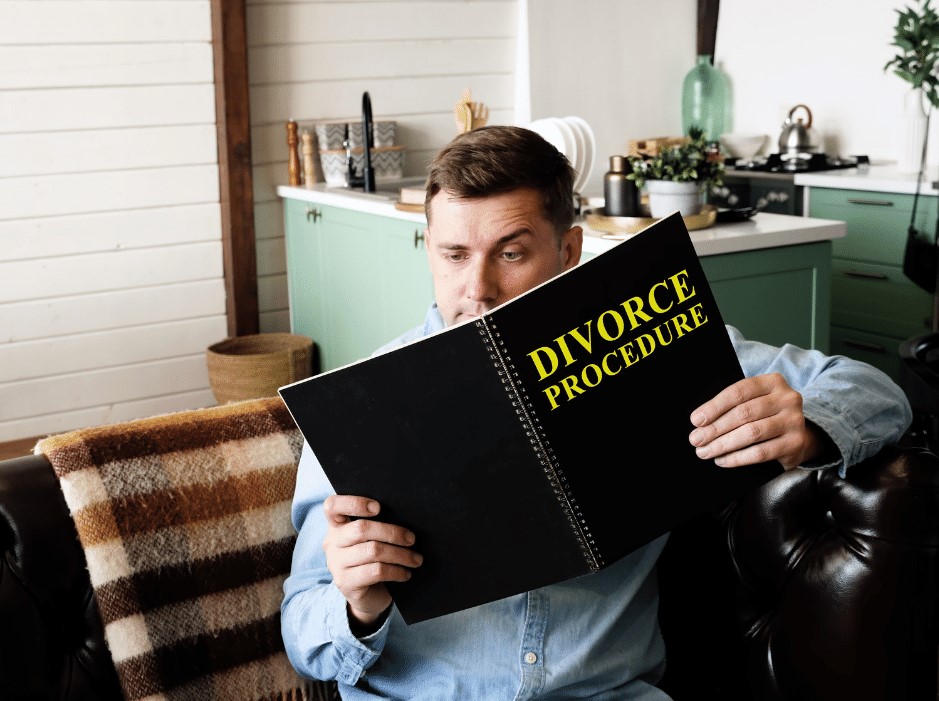
Filing for a divorce is a process that has a lot of requirements.
Gathering the Necessary Documents
There are certain documents that you must acquire when filing for a divorce.
- Writ for divorce – must indicate the serial number (FC/D 1234/2020);
- Statement of Claim – indicates children and assets, particulars and Plaintiff’s claim for ancillary reliefs.
- Statement of Particulars – evidence that supports the divorce. Specifically, what happened during the marriage that prompted it.
- Parenting Plans – list current care arrangements for the child(ren), if necessary. Should include all information about their school and schedule; and the arrangement desired after divorce.
- Property Plans – list on the HDB flat. This includes cash, CPF contributions, and the intended division of the HDB flat after divorce.
Choosing the Right Court
With any legal matter, you must choose the right Court that can provide you with the service you desire. For divorce in Singapore, the choice is easier as only one Court can assist you with this matter: the supreme Court.
Filing the Divorce Petition
Once you have filled up all the documents, you may choose to submit these personally or through your lawyer. When doing it yourself, you must file the papers through eLitigation at the LawNet & CrimsonLogic Service Bureau.
Make sure to follow Part 5 of Division 2 of the Family Justice Rules and the Family Justice Courts (FJC) Practice Directions before submission to ensure all your requirements are complete. Afterwards, submit the papers to the Family Courts for review.
Once the papers have been reviewed and are ready for pickup, the LawNet & CrimsonLogic Service Bureau will notify you via SMS or email of the verdict. If accepted, you will find inside the respective Court’s seal and registrar’s signature, as well as a divorce case number.
Serving the Divorce Papers
After you have picked up your accepted and approved divorce papers, you must serve the sealed documents to the defendant as soon as possible. This is to inform them that the divorce proceedings have begun.
To do this, you can either hand hard copies of the papers directly to the defendant via your lawyer or a lawyer’s clerk whose names have been notified to the Court to do this procedure. For personal reasons, you can also opt for a court process server.
Suppose you are ever unable to locate the defendant or have any difficulty in serving the divorce papers. In that case, you will have to file a summons that is supported by an affidavit. Furthermore, if the defendant is located outside of the jurisdiction or Singapore, you will need to file an application for leave.
Attending the Court Hearing
The Court will be involved regardless of whether it’s uncontested or contested when going through a divorce. However, it depends on how involved they will be.
In an uncontested divorce, as they are agreeable to the divorce terms, you can immediately schedule an uncontested hearing. When it comes to a contested divorce, the Court is more involved, as they will direct that you/your spouse apply for the divorce case to be scheduled for a hearing. This is known as “Setting Down”, and there is a need to request Setting Down Action for Trial (Form 28), which can be found on the Singapore Courts website.
Once the date is finalized, the Court will notify both parties or their lawyers. A Case Conference will take place where the Judge will give directions on how to manage your divorce case best moving forward. The Court may, for example, direct:
- that you/your spouse attend mediation and counselling (to facilitate an amicable settlement on the issues that you and your spouse disagree on); or
- That you and your spouse and your child(ren), under 21 years of age, attend mediation and counselling at the Child Focused Resolution Centre (CFRC), especially if the stress from the divorce affects your child(ren) negatively.
Factors Affecting the Outcome of a Divorce in Singapore

While separation alone is a valid reason to file for a divorce, many factors need to be considered along the way.
Child Custody and Maintenance
When a couple with children decide to divorce, they must consider their children and how their setup is going to be. This involves making major decisions and arrangements for their children, such as education, religion and healthcare.
In most cases, the court grants child custody to mothers in Singapore divorces. However, the father can still opt to fight for full rights. In addition, the father must agree with the mother to win.
In other circumstances, the child can express their preference if they are at an appropriate age and can clearly express to the Court their desire. Other than this, it is highly unlikely for the Court to award the father full care and control.
Division of Matrimonial Assets
When dividing marital assets, you must consider first what assets are classified as such. 112(10 of the Women’s Charter) states that these include any other assets acquired during the marriage and those received before the wedding. Examples are finances in both parties’ Central Provident Fund Accounts, houses, cars, jewellery, shares and savings, all accumulated during the marriage. Both parties must divide these assets under terms they can agree upon upon divorce. However, if neither can do so, the Court will have to decide how the matrimonial assets will be divided. In some cases, the Court can also move for the sale of any assets, and the division of the proceeds will be however they see fit.
Alimony
The Court can possibly also order spousal maintenance, depending on your case. However, they will only do so if the circumstances are practicable and fair. The court may appoint spousal maintenance as a means of preserving the financial well-being of the wife, ensuring that she can maintain a standard of living reasonably similar to that of the marriage.
The Court will consider the factors set out in sec 114 of the Women’s Charter when deciding on the amount and duration of maintenance in Singapore. These are the following:
- income or earning capacity, and financial affairs and needs of both parties to the marriage, now and in the foreseeable future;
- other obligations and responsibilities of each party;
- the standard of living of the family before the divorce;
- the duration of the marriage and the age of each party;
- the physical and mental abilities of each party;
- the contributions made by each party to the marriage and the family; and
- The value of any benefit the party will lose due to the divorce, for example, a pension.
Domestic Violence
Violence within the family is no small matter, and it is definitely grounds acceptable for divorce. Domestic violence can be physical force or roughness towards you or any other member of the family. This behaviour can also appear as threatening or controlling. Situations such as bodily injury, direct or indirect threats, sexual assault, emotional or psychological torment, damage to property, social isolation and any behaviour that causes a person to live in fear are forms of domestic violence.
In the event that any of this happens in your household, it is crucial to act fast and seek help immediately.
Tips for a Smooth Divorce Process in Singapore
Finding the Right Lawyer
A divorce is always a challenging feat to go through. That is why it’s essential to have a great support system by your side to make sure the process is as smooth as possible. When it comes to finding the right lawyer, you must look for the following qualities:
- Passionate – remains true to their job and has an excellent drive to stay dedicated to their practice.
- Compassion for clients – lawyers take cases because of their desire to help. This motivates them to take care of their clients and get the best arrangement for you.
- Good communication skills – being able to communicate and get ideas and details across effectively is a must for your lawyer to be able to help translate exactly what you, as their client, are looking for
Communication with Your Spouse
At the end of the day, being able to come to an agreement is what will help your divorce go much smoother. While a lawyer can help you fight for the terms you want, setting a time and place to discuss your divorce’s factors with your spouse is vital to making your divorce less complicated and beneficial for both parties.
Seeking Mediation and Counselling
Couples must participate in mediation and counselling for divorces, but they may also choose to request these services if they deem them necessary.
Gathering Evidence
The Court will only grant a divorce if it determines that the marriage has irretrievably broken down. With that, evidence must be presented to prove this is true. There are several grounds that help a court decide whether one can file for divorce or not.
- Adultery – can be filed as soon as infidelity is known
- Unreasonable behaviour – can be filed any time after the incident takes place
- Desertion – can be filed after 2 years from the date of desertion
- Separation – can be filed after 3 years from the date of separation. However, your spouse must also agree that both of you have been living separately and apart for 3 years.
Your Divorce Made Easy with Yeolaw
There is only so much one can prepare for when considering divorce. You can read and understand all the necessary details and various processes, but it is very different when going through the affair. No one can genuinely anticipate how the procedure will go, which is why it is essential to have the best support system by your side to go through it all with. At Yeolaw, we understand how much of a stressful and emotionally taxing process divorce is, and you will be guided every step of the way through it by us. Book a free consultation with us today via +65 6220 3400 or visit our website and start your divorce journey together.

Marriage, to this day, has always been the basis of a lifelong commitment. It has become the basis between two individuals for the foundation of a family. However, no matter how committed couples are, the divorce rate in Singapore remains at an all-time high.
In fact, according to the Singapore Department of Statistics | Press Release on Statistics on Marriages and Divorces, 2020 alone proved this with a whopping 6,959 marriages filed for divorce. Additionally, it was also discovered by the Ministry of Social and Family that newly-wedded couples separate earlier than those married for a longer period of time. Why this happens ranges over a variety of reasons. In this article, we will dig deep into how certain factors contribute to Singapore’s divorce rate.
What are the top 5 reasons the divorce rate in Singapore is high?
There are many factors that contribute to a marriage’s divorce, and there is no sure-fire way of telling why it happens. Nonetheless, we will look into the top five reasons the divorce rate in Singapore is high.
1. Adultery

As unfortunate as it seems, adultery is one of the main reasons why marriages end in divorce. Despite trying to forgive their partner and move on from the ordeal, no matter the amount of counselling, most times the damage is too far done. Cheating can be a result of a lot of factors, whether it’s falling out of love or a formed resentment between the couple. And when one party feels neglected, they tend to seek for love elsewhere. This then leads to adultery which, in turn, jeopardizes a relationship.
2. Domestic Abuse

No matter how much love an individual has for their partner, when violence comes into the picture, it should never be tolerated. Unfortunately, this isn’t the common mindset for others. Various men and women suffer from domestic abuse within their marriages, and divorce is one of the ways to keep them safe. However, further measures for safety can also be taken, like filing for a Personal Protection Order.
3. Financial Instability

No marriage is easy and struggle-free. However, some struggles may be too much, even for the most resilient couples. When couples are unable to make ends meet, this can wear them down and make them feel helpless. This can be due to unforeseen expenses or emergencies, the debt of the other partner, or wrong financial priorities. Because of this, some individuals resort to ending the marriage to leave the problem behind.
4. Fizzled Out Romance

In a marriage, it is always important to make sure your partner feels loved. However, after a certain amount of time, there are some couples who just lose their spark. While others try different ways to get it back, they are usually unsuccessful. And since marriage is a life-long commitment between two individuals who love each other, trying to continue without intimacy proves to be too difficult for many. This is why the lack of intimacy is a big enough reason for marriages to end in divorce.
5. Addiction

Addiction can come in many forms. And whether this is gambling or drugs, it can be detrimental to one’s health and welfare. When a partner falls into this trap, they start to make irrational decisions, putting their lives in danger and their spouse’s.
Avoid These Reasons Today and Steer Clear From Divorce
While love in a marriage is the foundation that keeps couples together, most are often blinded that it is enough reason to stay married. Marriage is a pact that needs a lot of effort and commitment to work. However, if, despite all efforts, your marriage continues to falter, then it is best to look into legal separation. The expense of divorce in Singapore may cost an arm and a leg but there are affordable legal services that you could utilise of. At YeoLaw, we understand that choosing to divorce is one of the hardest things an individual can do. This is why our team of competent lawyers backs us to ensure your divorce proceeding process is as hassle-free as possible. Book a free consultation with us today via +65 6220 3400 or visit our website to begin your journey towards happiness.