Divorce in Singapore: A Thorough Guide to Navigating the Process

No matter the circumstances, divorce is a challenging process. Whether legally or emotionally, nobody can ever expect how someone’s divorce journey will be. To navigate this complex process successfully, spouses who wish to divorce must engage in discussion and agree on every detail, including asset division and child custody. If not, divorce becomes a much more complex process. In this article, we will discuss all the details necessary for divorce in Singapore.
Types of Divorce
When a couple goes through a divorce, there are usually many decisions that need to be made. These can vary from child support, debt division, distribution of assets, and the like. That said, a couple may or may not agree with the same terms. That is why there are two types of divorce in Singapore: contested and uncontested.
Based on the definition of the terms, a contested divorce is when both parties cannot agree on the terms of their divorce. Uncontested, on the other hand, is when both parties agree or work together to find terms that they deem beneficial for each other.
One of the main differences between contested and uncontested divorce is the overall time it takes to finalize everything. With an uncontested divorce, it is usually a relatively faster process. An uncontested divorce doesn’t require a trial, discovery, or other time-consuming processes. This means that this is a much less expensive procedure compared to a contested divorce.
Furthermore, since both parties agree to an uncontested divorce, the divorce terms will not be appealable. While this doesn’t necessarily mean that the couple is stuck with their original agreement forever, whatever changes they may decide to make will always be mutual and will benefit both parties equally. This means that the couple going through an uncontested divorce may more likely be happier with the outcome of the proceedings.
A contested divorce is a much more expensive and lengthy process. Not only will you spend a lot of time going back and forth with your spouse to try and come to an agreement, but you may even need to attend court hearings. If you can still not find terms that work for both parties, a trial will be held where a judge is ultimately responsible for making the decisions.
Legal Requirements
Before even being eligible to file for a divorce, there are some conditions that must be met. Specifically, it must be made certain if the Singapore Court has jurisdiction over the matter. For the Court to have jurisdiction to hear the proceedings for a divorce, both parties must:
- Be domiciled in Singapore during the commencement of divorce proceedings.
- Reside in Singapore for a minimum of three (3) years.
- Be married for a minimum of three (3) years. However, you can apply earlier if a proven one has suffered exceptional hardship or deprivation.
Mediation and Counselling
When a couple with children goes through a divorce in Singapore, the court requires them to attend mediation and counselling. This is done by having both parties, with their respective lawyers, meet with a court-appointed mediator and a Court Family Specialist (CFS) from the Counselling and Psychological Services (CAPS) with the goal of resolving any disagreement on the couple’s divorce terms. This mainly focuses on the children’s living arrangements and maintenance and the division of property and other assets.
Other cases may also request mediation and/or counselling to resolve disputes amicably.
Cost of Divorce in Singapore
Divorce filed under adultery could go from SGD$ 5,000 to over SGD$ 10,000. However, this doesn’t guarantee a result of your spouse’s adulterous conduct.
In an uncontested divorce, however, parties not only work on settling the terms together, but they usually agree to share the costs as well. If one of the parties refuses to pay, the one who initiated the divorce will pay for everything.
How to File for Divorce in Singapore
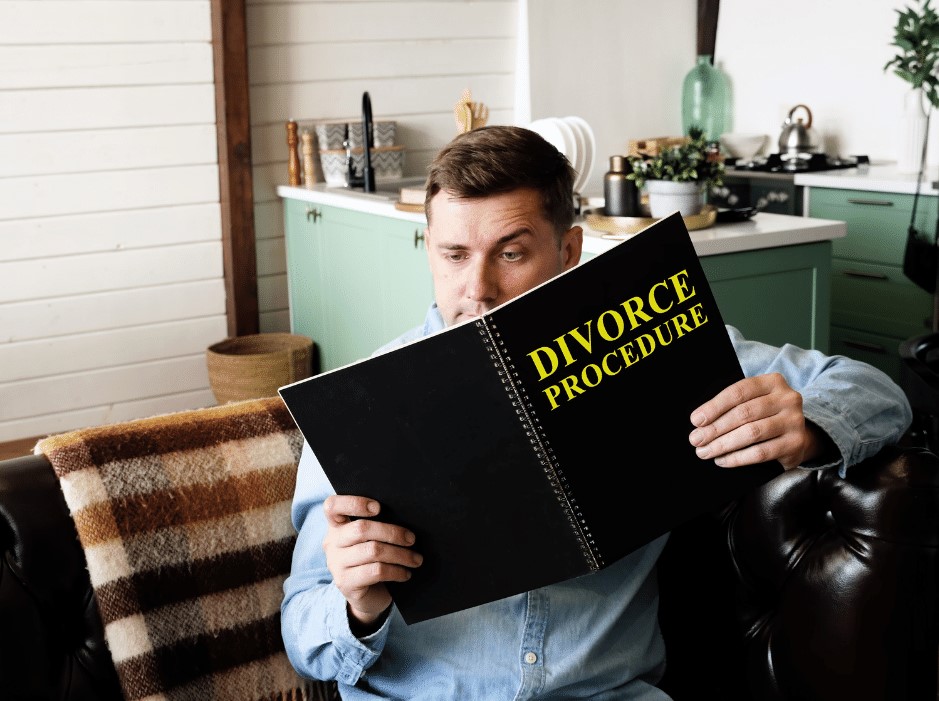
Filing for a divorce is a process that has a lot of requirements.
Gathering the Necessary Documents
There are certain documents that you must acquire when filing for a divorce.
- Writ for divorce – must indicate the serial number (FC/D 1234/2020);
- Statement of Claim – indicates children and assets, particulars and Plaintiff’s claim for ancillary reliefs.
- Statement of Particulars – evidence that supports the divorce. Specifically, what happened during the marriage that prompted it.
- Parenting Plans – list current care arrangements for the child(ren), if necessary. Should include all information about their school and schedule; and the arrangement desired after divorce.
- Property Plans – list on the HDB flat. This includes cash, CPF contributions, and the intended division of the HDB flat after divorce.
Choosing the Right Court
With any legal matter, you must choose the right Court that can provide you with the service you desire. For divorce in Singapore, the choice is easier as only one Court can assist you with this matter: the supreme Court.
Filing the Divorce Petition
Once you have filled up all the documents, you may choose to submit these personally or through your lawyer. When doing it yourself, you must file the papers through eLitigation at the LawNet & CrimsonLogic Service Bureau.
Make sure to follow Part 5 of Division 2 of the Family Justice Rules and the Family Justice Courts (FJC) Practice Directions before submission to ensure all your requirements are complete. Afterwards, submit the papers to the Family Courts for review.
Once the papers have been reviewed and are ready for pickup, the LawNet & CrimsonLogic Service Bureau will notify you via SMS or email of the verdict. If accepted, you will find inside the respective Court’s seal and registrar’s signature, as well as a divorce case number.
Serving the Divorce Papers
After you have picked up your accepted and approved divorce papers, you must serve the sealed documents to the defendant as soon as possible. This is to inform them that the divorce proceedings have begun.
To do this, you can either hand hard copies of the papers directly to the defendant via your lawyer or a lawyer’s clerk whose names have been notified to the Court to do this procedure. For personal reasons, you can also opt for a court process server.
Suppose you are ever unable to locate the defendant or have any difficulty in serving the divorce papers. In that case, you will have to file a summons that is supported by an affidavit. Furthermore, if the defendant is located outside of the jurisdiction or Singapore, you will need to file an application for leave.
Attending the Court Hearing
The Court will be involved regardless of whether it’s uncontested or contested when going through a divorce. However, it depends on how involved they will be.
In an uncontested divorce, as they are agreeable to the divorce terms, you can immediately schedule an uncontested hearing. When it comes to a contested divorce, the Court is more involved, as they will direct that you/your spouse apply for the divorce case to be scheduled for a hearing. This is known as “Setting Down”, and there is a need to request Setting Down Action for Trial (Form 28), which can be found on the Singapore Courts website.
Once the date is finalized, the Court will notify both parties or their lawyers. A Case Conference will take place where the Judge will give directions on how to manage your divorce case best moving forward. The Court may, for example, direct:
- that you/your spouse attend mediation and counselling (to facilitate an amicable settlement on the issues that you and your spouse disagree on); or
- That you and your spouse and your child(ren), under 21 years of age, attend mediation and counselling at the Child Focused Resolution Centre (CFRC), especially if the stress from the divorce affects your child(ren) negatively.
Factors Affecting the Outcome of a Divorce in Singapore

While separation alone is a valid reason to file for a divorce, many factors need to be considered along the way.
Child Custody and Maintenance
When a couple with children decide to divorce, they must consider their children and how their setup is going to be. This involves making major decisions and arrangements for their children, such as education, religion and healthcare.
In most cases, the court grants child custody to mothers in Singapore divorces. However, the father can still opt to fight for full rights. In addition, the father must agree with the mother to win.
In other circumstances, the child can express their preference if they are at an appropriate age and can clearly express to the Court their desire. Other than this, it is highly unlikely for the Court to award the father full care and control.
Division of Matrimonial Assets
When dividing marital assets, you must consider first what assets are classified as such. 112(10 of the Women’s Charter) states that these include any other assets acquired during the marriage and those received before the wedding. Examples are finances in both parties’ Central Provident Fund Accounts, houses, cars, jewellery, shares and savings, all accumulated during the marriage. Both parties must divide these assets under terms they can agree upon upon divorce. However, if neither can do so, the Court will have to decide how the matrimonial assets will be divided. In some cases, the Court can also move for the sale of any assets, and the division of the proceeds will be however they see fit.
Alimony
The Court can possibly also order spousal maintenance, depending on your case. However, they will only do so if the circumstances are practicable and fair. The court may appoint spousal maintenance as a means of preserving the financial well-being of the wife, ensuring that she can maintain a standard of living reasonably similar to that of the marriage.
The Court will consider the factors set out in sec 114 of the Women’s Charter when deciding on the amount and duration of maintenance in Singapore. These are the following:
- income or earning capacity, and financial affairs and needs of both parties to the marriage, now and in the foreseeable future;
- other obligations and responsibilities of each party;
- the standard of living of the family before the divorce;
- the duration of the marriage and the age of each party;
- the physical and mental abilities of each party;
- the contributions made by each party to the marriage and the family; and
- The value of any benefit the party will lose due to the divorce, for example, a pension.
Domestic Violence
Violence within the family is no small matter, and it is definitely grounds acceptable for divorce. Domestic violence can be physical force or roughness towards you or any other member of the family. This behaviour can also appear as threatening or controlling. Situations such as bodily injury, direct or indirect threats, sexual assault, emotional or psychological torment, damage to property, social isolation and any behaviour that causes a person to live in fear are forms of domestic violence.
In the event that any of this happens in your household, it is crucial to act fast and seek help immediately.
Tips for a Smooth Divorce Process in Singapore
Finding the Right Lawyer
A divorce is always a challenging feat to go through. That is why it’s essential to have a great support system by your side to make sure the process is as smooth as possible. When it comes to finding the right lawyer, you must look for the following qualities:
- Passionate – remains true to their job and has an excellent drive to stay dedicated to their practice.
- Compassion for clients – lawyers take cases because of their desire to help. This motivates them to take care of their clients and get the best arrangement for you.
- Good communication skills – being able to communicate and get ideas and details across effectively is a must for your lawyer to be able to help translate exactly what you, as their client, are looking for
Communication with Your Spouse
At the end of the day, being able to come to an agreement is what will help your divorce go much smoother. While a lawyer can help you fight for the terms you want, setting a time and place to discuss your divorce’s factors with your spouse is vital to making your divorce less complicated and beneficial for both parties.
Seeking Mediation and Counselling
Couples must participate in mediation and counselling for divorces, but they may also choose to request these services if they deem them necessary.
Gathering Evidence
The Court will only grant a divorce if it determines that the marriage has irretrievably broken down. With that, evidence must be presented to prove this is true. There are several grounds that help a court decide whether one can file for divorce or not.
- Adultery – can be filed as soon as infidelity is known
- Unreasonable behaviour – can be filed any time after the incident takes place
- Desertion – can be filed after 2 years from the date of desertion
- Separation – can be filed after 3 years from the date of separation. However, your spouse must also agree that both of you have been living separately and apart for 3 years.
Your Divorce Made Easy with Yeolaw
There is only so much one can prepare for when considering divorce. You can read and understand all the necessary details and various processes, but it is very different when going through the affair. No one can genuinely anticipate how the procedure will go, which is why it is essential to have the best support system by your side to go through it all with. At Yeolaw, we understand how much of a stressful and emotionally taxing process divorce is, and you will be guided every step of the way through it by us. Book a free consultation with us today via +65 6220 3400 or visit our website and start your divorce journey together.